


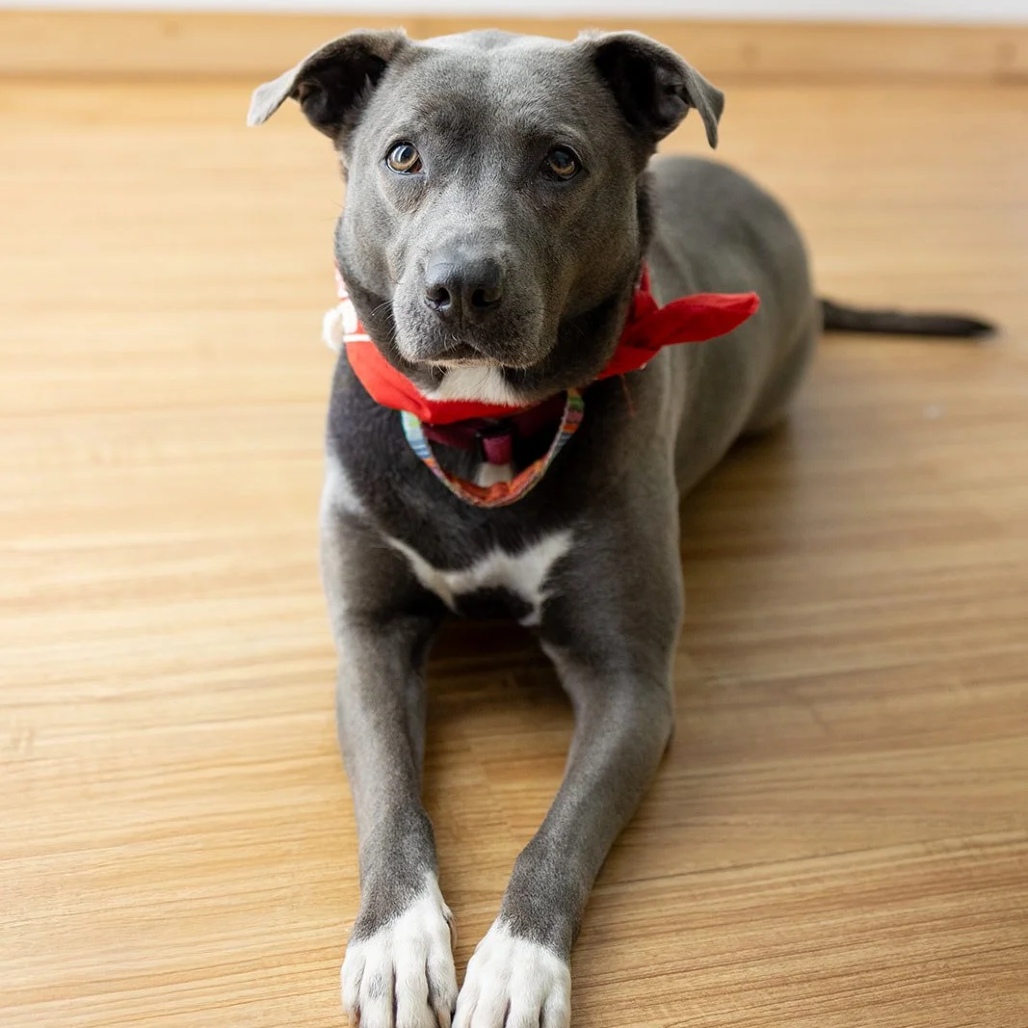
Location: Madison, Wisconsin at Fetch Wisconsin Rescue
Breed: Pit Bull Terrier
Age: Approximately 4 years old
Date of Birth: Around March 12, 2022
Gender: Female
Weight: 52.2 pounds
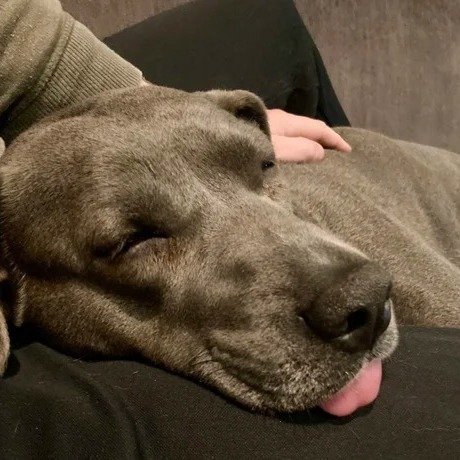
Princess Diamond is a deeply affectionate Pit Bull Terrier who loves curling up beside her people, resting her chin on someone’s chest, and making herself comfortable in the coziest places she can find.
She may need patient introductions when meeting someone new, but once a person becomes part of her trusted circle, Diamond gives them her entire heart.
Inside the home, she is polite, quiet, house-trained, and relaxed. She rarely barks, does not chew things that do not belong to her, and can even be trusted to free-roam while her foster family is away.
Diamond’s greatest need is also one of the reasons she may be overlooked: she must be the only pet. She is searching for someone who does not have other animals and wants one loyal, loving dog to become the center of their world.
Meet Princess Diamond
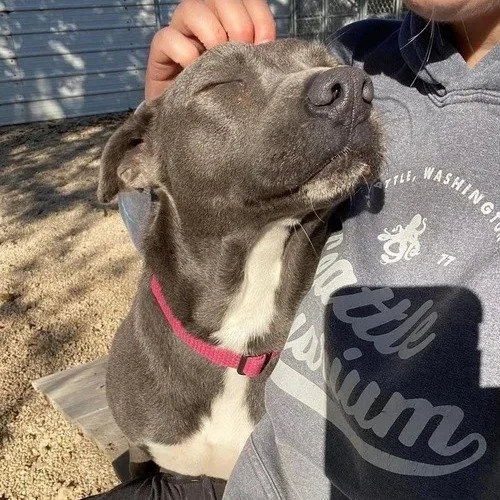
Diamond is an approximately 4-year-old Pit Bull Terrier weighing 52.2 pounds. She has a beautiful gray-and-white coat and a sweet personality that shines brightest once she feels safe.
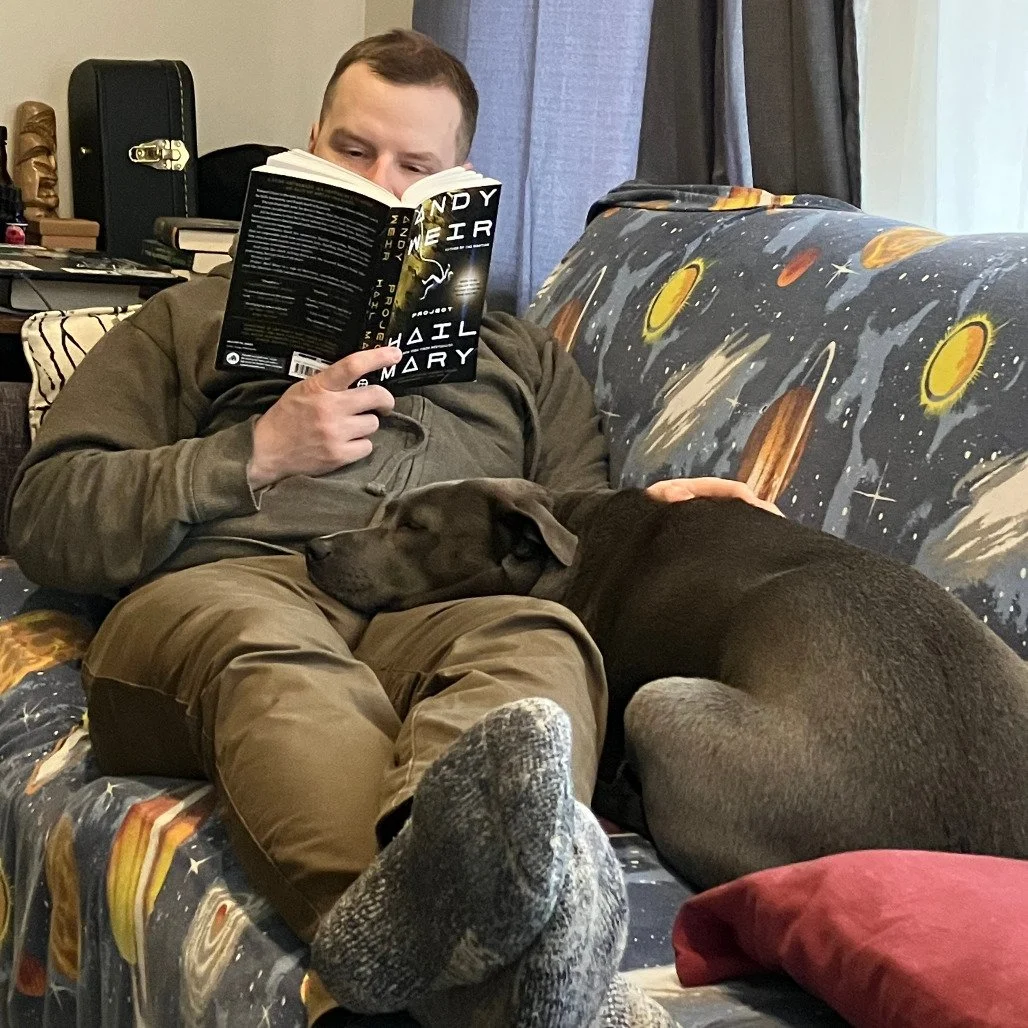
Her foster family describes her as one of the most affectionate dogs a person could be lucky enough to meet. Diamond enjoys lying on top of her people, resting near their feet, or placing her chin directly on someone’s chest.
She does not simply enjoy attention—she forms deep emotional connections. Her adopter can expect a devoted companion who wants to remain close and become an important part of everyday life.
From Arkansas to Wisconsin
Diamond was rescued in Arkansas, where she spent several months with a local organization before traveling to the Midwest.
Moving between rescues, foster homes, climates, and routines can be difficult for any dog. Despite those changes, Diamond has adjusted exceptionally well to life in Wisconsin.
Her progress shows that she can adapt when people give her time, structure, and patience. Her next transition—to a permanent home—should also be handled gradually so she can learn that she is safe and will not have to move again.
Patient Introductions Help Diamond Feel Safe
Diamond can be shy when she first meets unfamiliar people. She needs introductions that allow her to observe, approach, and develop trust without pressure.
Once someone is accepted into her circle, Diamond becomes incredibly loving. Her foster family reports that she has adored every person they have thoughtfully introduced to her.
Her new family can help introductions go smoothly by:
Keeping the environment calm
Asking visitors to ignore her initially
Avoiding direct staring or reaching over her head
Allowing Diamond to approach voluntarily
Using treats to create positive associations
Giving her access to a quiet retreat
Avoiding crowded gatherings during her adjustment period
Watching her body language
Ending an interaction before she becomes overwhelmed
Never forcing physical affection
Her need for slower introductions should not be mistaken for a lack of friendliness. Diamond simply needs a moment to decide that someone is safe. Once she does, she is ready to share all the affection she has been holding inside.
Calm and Polite Inside the Home
Diamond is described as relaxed and respectful in her foster home.
She rarely barks and has not shown a habit of chewing inappropriate items. Instead, she prefers lounging in comfortable places and spending time near her people.
This calmer indoor personality may make her a wonderful companion for someone who wants a dog that can enjoy walks and playtime but also settle peacefully inside.
Diamond’s future routine might include:
A relaxed morning walk
Breakfast followed by a nap
Quiet time while her person works
Short training or enrichment activities
An evening game of fetch or tug
A leisurely sniffing walk
Couch time and cuddles
Sleeping in a comfortable bed near her family
She does not need every moment to be filled with excitement. Diamond’s favorite activity may simply be knowing that her person is nearby.
Fully House-Trained
Diamond is completely house-trained and has never had an accident inside her foster home.
A move can temporarily disrupt even a reliably house-trained dog’s routine, so her adopter should initially provide frequent outdoor breaks and learn her signals.
Keeping her feeding and bathroom schedule consistent with her foster home may help make the transition easier.
Potential adopters should ask:
How Diamond signals that she needs to go outside
How frequently she currently receives bathroom breaks
Whether she uses a particular door
How she behaves in different weather
Whether she needs a final bathroom break before bed
What time she normally wakes in the morning
With patience and consistency, Diamond should be able to transfer her excellent habits to her new home.
Crate-Trained and Able to Free-Roam
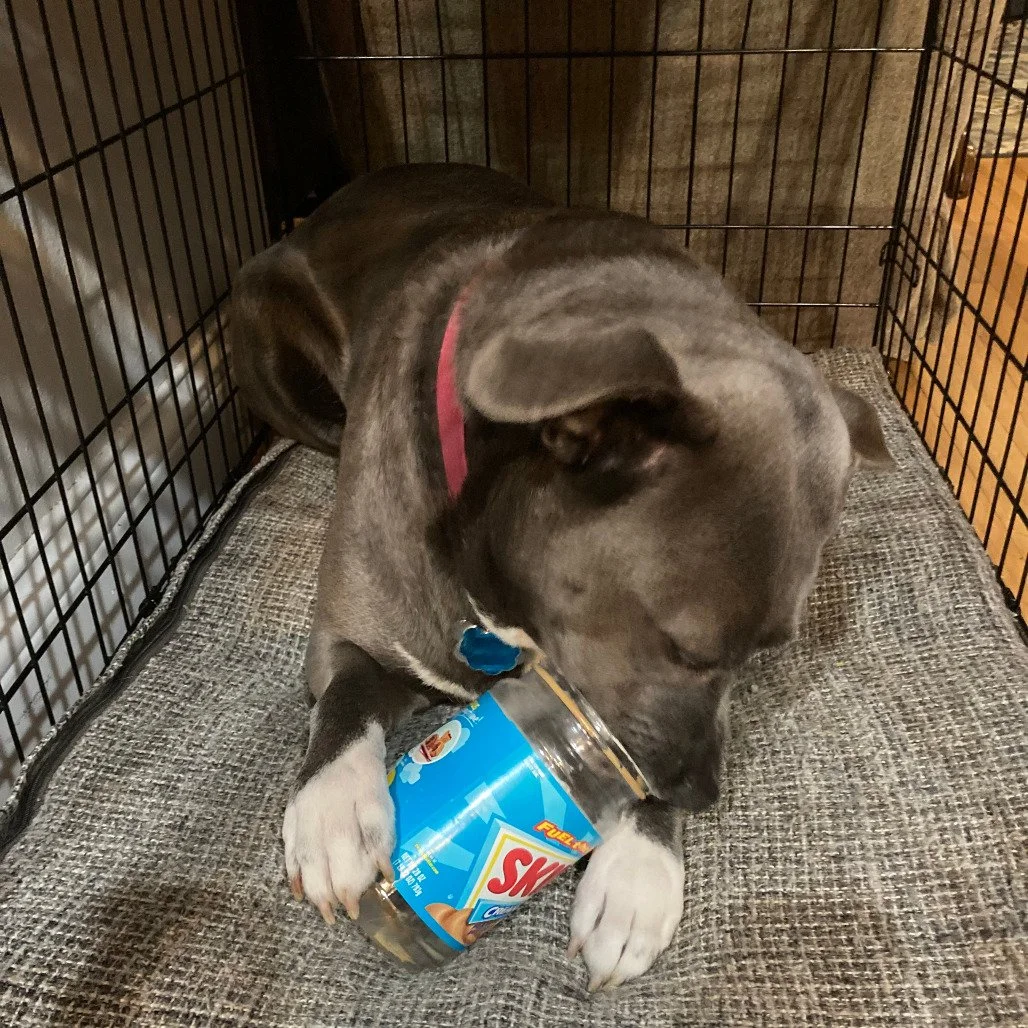
Diamond is crate-trained and will enter her crate when asked. She can comfortably rest there for up to approximately four hours at a time.
Her crate gives her a predictable place to relax and can be especially helpful during her first days in a new environment.
Diamond has also shown that she can safely free-roam while her foster family is away. She does not destroy household items and is generally calm inside.
Her adopter should not immediately assume she will behave exactly the same way in an unfamiliar home. A gradual approach will allow Diamond to build confidence and demonstrate that she is ready for increasing freedom.
Her family could begin with:
A dog-proofed room or gated area
Short practice departures
A camera to observe her behavior
Access to safe toys
A predictable leaving routine
Gradually increasing time alone
Continued use of her crate when appropriate
Applicants should ask her foster family whether Diamond shows any anxiety, vocalization, pacing, or other stress when left alone.
Fetch, Tug, and Time with Her People
Although Diamond is calm indoors, she still enjoys playing.
She loves toys and will happily join her people for games of fetch or tug. Interactive play gives her exercise while also strengthening the bond she shares with her handler.
Her future family can keep play safe and positive by teaching cues such as “drop,” “leave it,” and “all done.” Trading one toy for another or offering a treat can help keep games cooperative.
Diamond is gentle when taking treats and has not shown resource guarding toward humans. This is a wonderful quality, although her family should still treat her belongings respectfully rather than repeatedly taking things away to test her.
Leisurely Walks and Plenty of Sniffing
Diamond walks well on a leash and prefers relaxed outings where she can take her time investigating different scents.
She also loves rolling joyfully in the grass. Her walks do not need to be a race or an intense workout—she appreciates having time to experience the world around her.
Sniffing provides valuable mental stimulation and can be especially fulfilling for a dog who enjoys calmer exploration.
Diamond occasionally lunges toward squirrels or birds, so her family should keep her securely attached to a properly fitted harness or collar. She should not be trusted off-leash in an unsecured area.
Useful walking practices may include:
Using sturdy, well-fitted equipment
Avoiding retractable leashes
Watching for squirrels and birds
Creating distance before she becomes overly focused
Rewarding her for checking in
Choosing quieter routes
Allowing time for appropriate sniffing
Practicing attention around distractions
Carrying high-value treats
Keeping walks calm and predictable
Working Through Leash Reactivity
Diamond is currently working on leash reactivity toward other dogs. She may become tense, bark, pull, or lunge when she sees one.
Her foster family has found that she can be redirected with treats, which is an encouraging sign. Her food motivation gives her handler a valuable tool for rewarding attention and helping her move away from difficult situations.
Her adopter should be prepared to continue this work through positive reinforcement and careful management.
Helpful strategies may include:
Walking during quieter times
Crossing the street when another dog approaches
Turning around before Diamond becomes overwhelmed
Using parked cars or landscaping as visual barriers
Rewarding her for noticing a dog and returning her attention
Avoiding narrow paths with no escape route
Asking other owners not to approach
Working with a qualified reward-based trainer
Avoiding dog parks, daycare, and crowded dog events
Diamond should not be punished for reacting. Harsh corrections may increase her discomfort around other dogs and weaken the trust she has built with her handler.
Diamond Must Be the Only Pet
Because of her past behavior toward other dogs, Diamond must be the only pet in her new home.
This means she should not live with dogs, cats, or other animals. Her adopter should also be committed to maintaining a single-pet household rather than planning to add another animal later.
A pet-free home will allow Diamond to relax without sharing her space, food, toys, people, or attention. It will also make it easier for her family to avoid stressful interactions.
Her need to be the only pet does not mean she lacks love. In fact, Diamond has enough affection to fill an entire home by herself.
She will give her adopter:
Loyal companionship
Endless cuddles
A walking partner
A playful fetch or tug buddy
A quiet presence during relaxing evenings
A devoted dog who bonds deeply
All the love and attention of a complete canine family
Adults or Older, Quieter Children
Diamond may live in an adult-only home or with older, quieter children.
Because she needs patient introductions and a calm environment, young children who move quickly, make sudden noises, or have difficulty respecting a dog’s boundaries may be overwhelming for her.
Any children in the home should understand how to:
Give Diamond space while she settles
Avoid hugging or climbing on her
Leave her alone while she is sleeping
Respect her crate and resting areas
Avoid taking toys or food
Participate in calm, supervised interactions
Recognize when she wants to walk away
Fetch Wisconsin Rescue should evaluate every household individually and determine whether Diamond is a suitable match.
Helping Diamond Adjust
Diamond needs an adopter willing to move slowly during her first days and weeks in a new home.
Even a well-behaved dog can feel uncertain after leaving a foster family and entering an unfamiliar environment. Giving Diamond a quiet, predictable beginning will help her build trust.
Her first weeks should focus on:
A consistent feeding schedule
Calm bathroom and walking routines
Limited visitors
A comfortable crate or private resting area
Short, positive training sessions
Familiar food
Gradual access to the home
Avoiding busy public places
Allowing plenty of sleep
Building a relationship without pressure
Diamond may not immediately display every affectionate behavior described by her foster family. She needs time to understand that her new home is permanent. Once she feels secure, her deeply cuddly personality can begin to emerge.
Diamond’s Health
Diamond is listed as spayed. Fetch Wisconsin Rescue states that its adoption fees include age-appropriate rabies, distemper, and Bordetella vaccinations; a microchip; flea and tick prevention; heartworm prevention; and other medical care needed before placement.
Potential adopters should request Diamond’s complete veterinary records and confirm:
Vaccination dates
Heartworm test results
Preventive medications
Microchip registration
Current diet
Allergies or sensitivities
Previous injuries or illnesses
Medications or supplements
Her ideal weight
Any recommended follow-up care
Her new family should establish care with a veterinarian and continue routine examinations, vaccinations, dental care, parasite prevention, and healthy weight management.
Diamond’s Ideal Home
Diamond is looking for a calm family that wants one deeply affectionate dog and is prepared to respect her individual needs.
Her ideal home will provide:
No other pets
Adults or older, quieter children
Patient introductions to new people
A calm and predictable routine
Leisurely walks with time to sniff
Continued positive work on leash reactivity
Secure leash handling
Fetch, tug, and other interactive games
Comfortable places to nap
Plenty of cuddles
Time to adjust without pressure
Routine veterinary and preventive care
A lifelong commitment to remaining a single-pet home
Diamond may be an especially lovely companion for an individual, couple, or family seeking a mature dog who can relax independently but also wants to form a very close emotional bond.
About Fetch Wisconsin Rescue
Fetch Wisconsin Rescue is a volunteer-run, foster-based nonprofit dedicated to rescuing and rehabilitating unwanted, neglected, and abused dogs from shelters throughout the Midwest, along with dogs surrendered by local families.
Founded in April 2013, Fetch reports that it has rescued more than 5,000 dogs. Its volunteers spend time getting to know each dog in foster care so they can choose a home that meets the animal’s individual needs.
Fetch does not operate a traditional public shelter. Diamond lives in a foster home, and approved applicants will meet her there.
How to Adopt Diamond
Anyone interested in Diamond should begin by reading Fetch Wisconsin Rescue’s requirements and submitting an application.
Diamond’s profile:
Meet Diamond
Adoption application and available dogs:
Apply Through Fetch Wisconsin Rescue
Adoption process:
Learn How Fetch Adoptions Work
Rescue website:
Fetch Wisconsin Rescue
The adoption process includes:
Submitting an adoption application
Paying a nonrefundable $35 application-processing fee
Completing background and reference checks
Participating in a home visit
Receiving application approval
Meeting Diamond in her foster home
Waiting overnight before making a final decision
Bringing her home within three days if the placement is approved
The primary applicant must be at least 21 years old. Fetch evaluates applications by submission date but chooses the home it believes will be the best fit for each dog.
Applications typically take approximately two to four weeks to process, although timing depends on volunteer availability.
Adoption Fee
As an adult dog between 13 months and 7 years old, Diamond’s adoption fee is $350.
The fee includes her standard veterinary care and reimbursement of up to $90 after completing an eligible training class.
Out-of-State Adoptions
Fetch accepts applications from outside Wisconsin. However, adopters must travel to Diamond’s foster home—likely in the Madison area—for the meet-and-greet and return after the required overnight waiting period to bring her home.
Contact Information
Adoption questions: Submit an application or use the returning-adopter form on the Fetch adoption page.
General inquiries: Fetch Wisconsin Rescue Contact Page
Mailing address: P.O. Box 930572, Verona, WI 53593
Fetch asks people to use its adoption resources rather than sending general messages requesting the current status of a dog. Approved applicants can communicate with their assigned adoption coordinator.
Help Diamond Find Someone to Love
Diamond has traveled from Arkansas to Wisconsin and adapted beautifully to life in foster care. She has shown that she can be quiet in the house, trustworthy when left alone, playful with her toys, and completely devoted to the people she trusts.
She cannot share her home with another pet, but she can fill it with more than enough love on her own.
Diamond is ready for leisurely walks, joyful rolls in the grass, games of fetch, peaceful naps, and evenings spent resting her chin on the person who finally chose her.
Please share Diamond’s story—especially with pet-free families looking for one affectionate dog to love with their whole heart.
