Location: Madison, Wisconsin at Fetch Wisconsin Rescue
Breed: Australian Cattle Dog (Blue Heeler) Mix
Age: Approximately 2 years old
Date of Birth: Around August 22, 2024
Gender: Male
Weight: 43.8 pounds
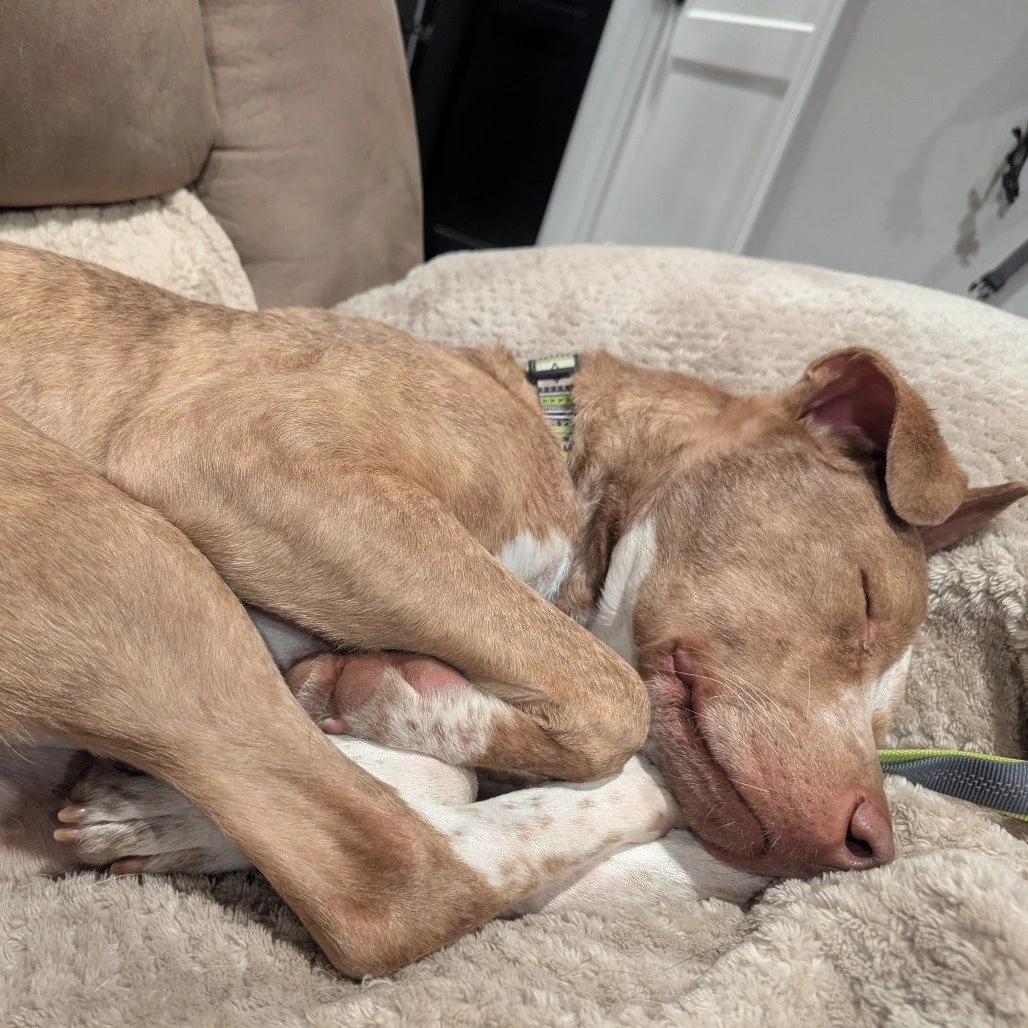
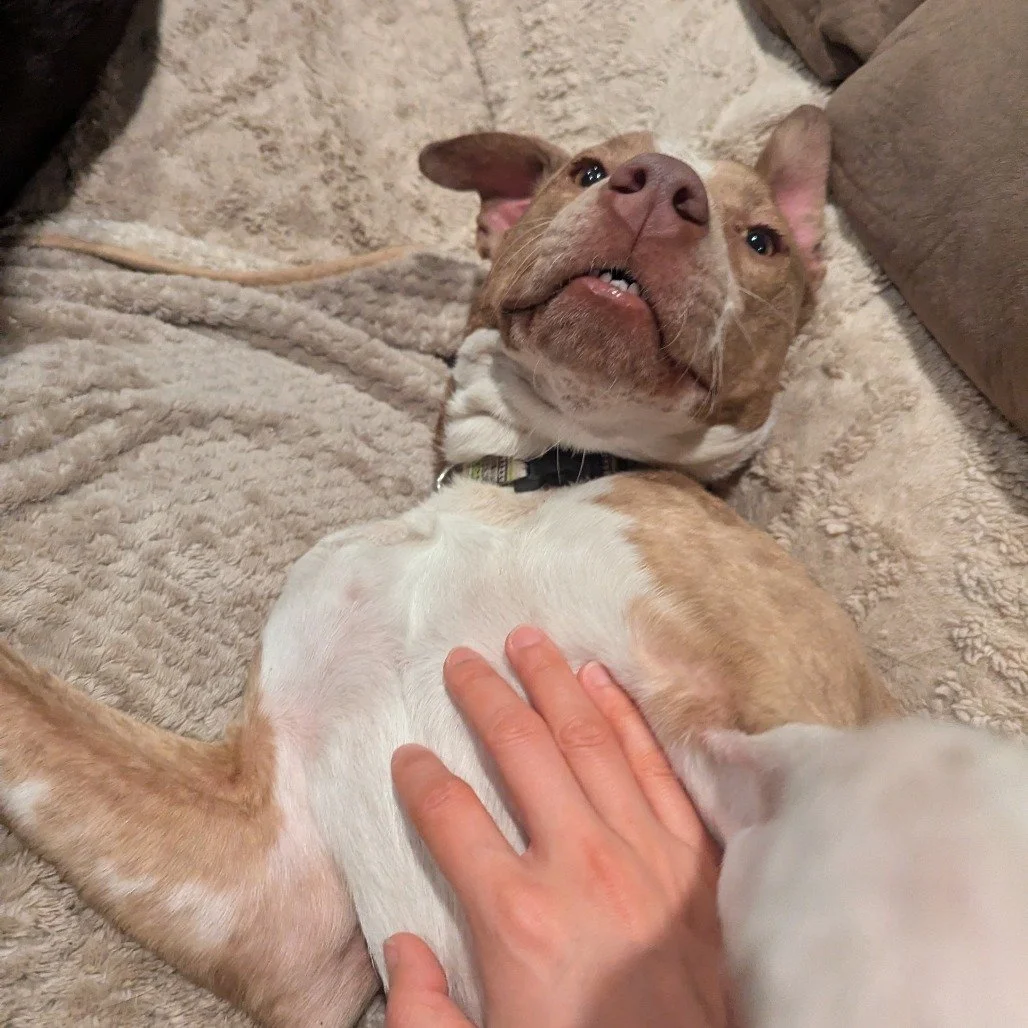
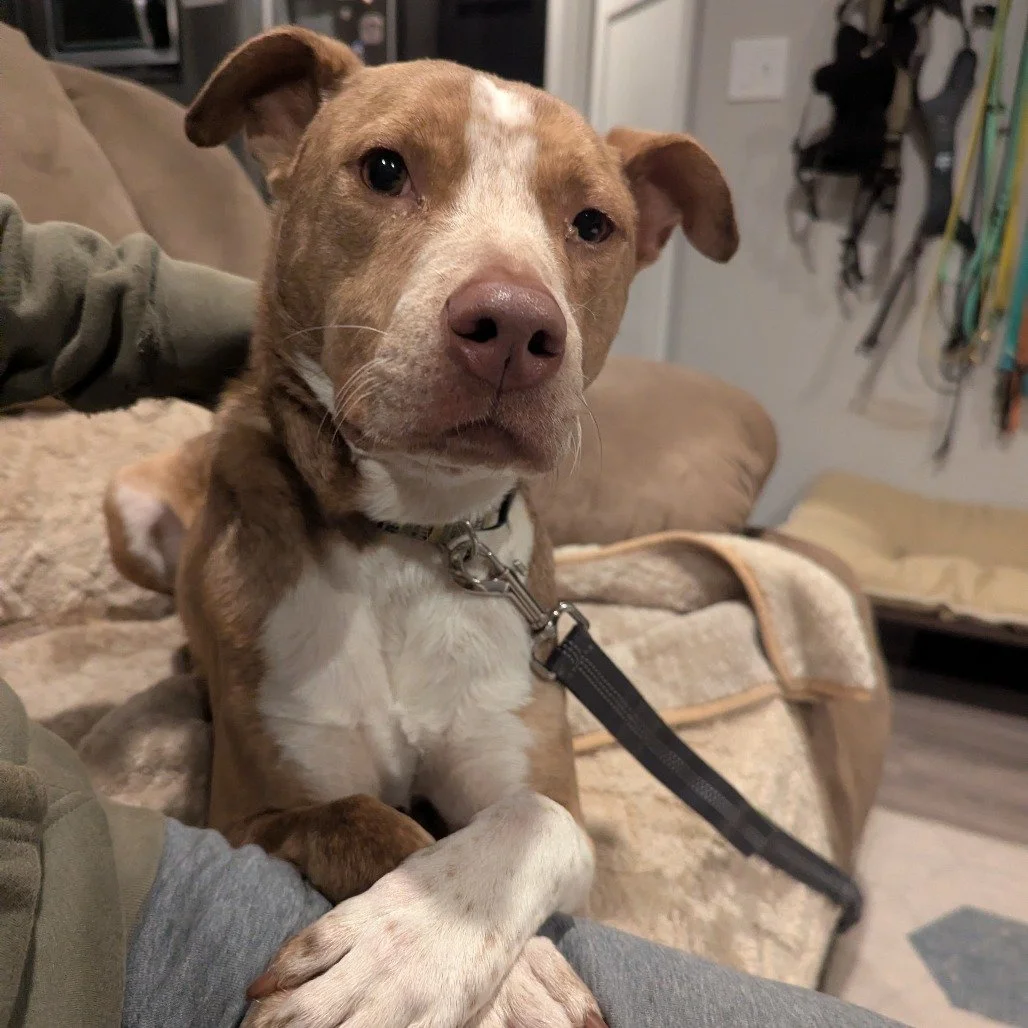
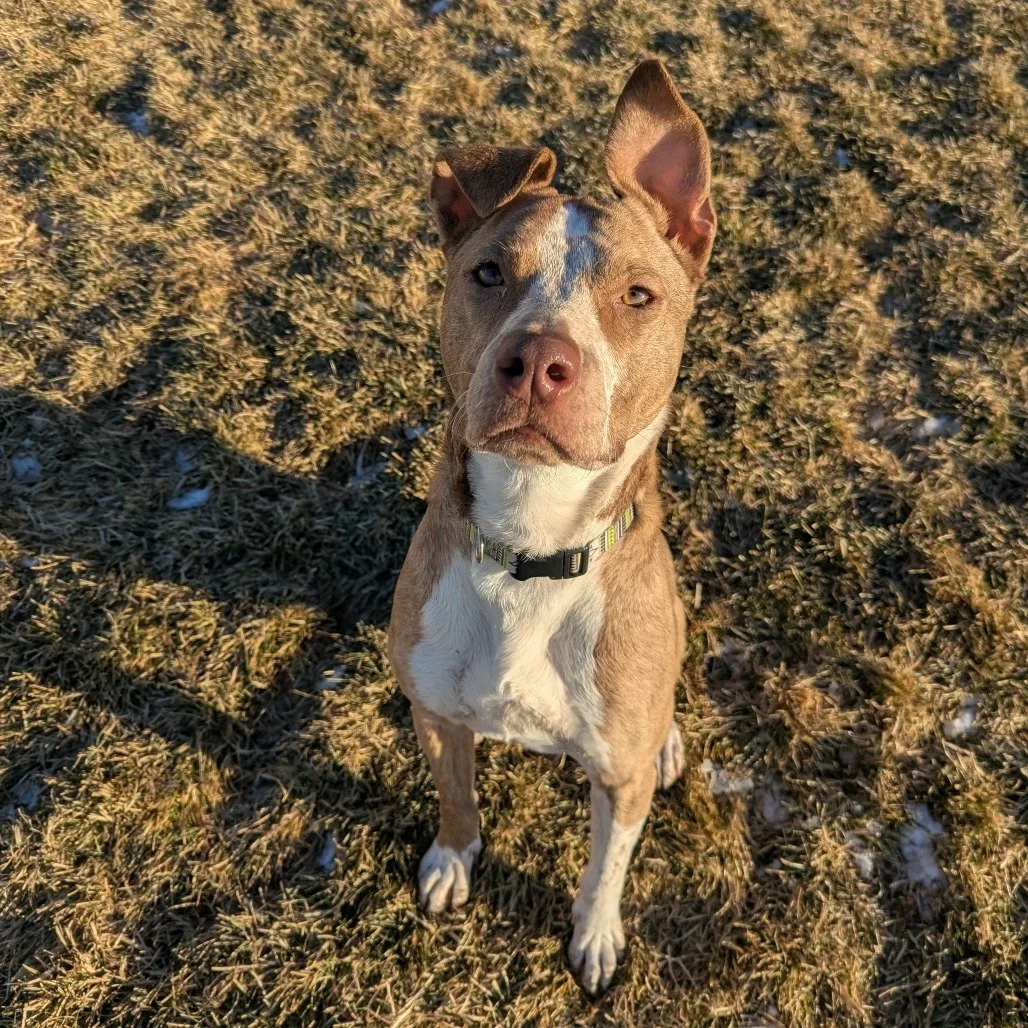
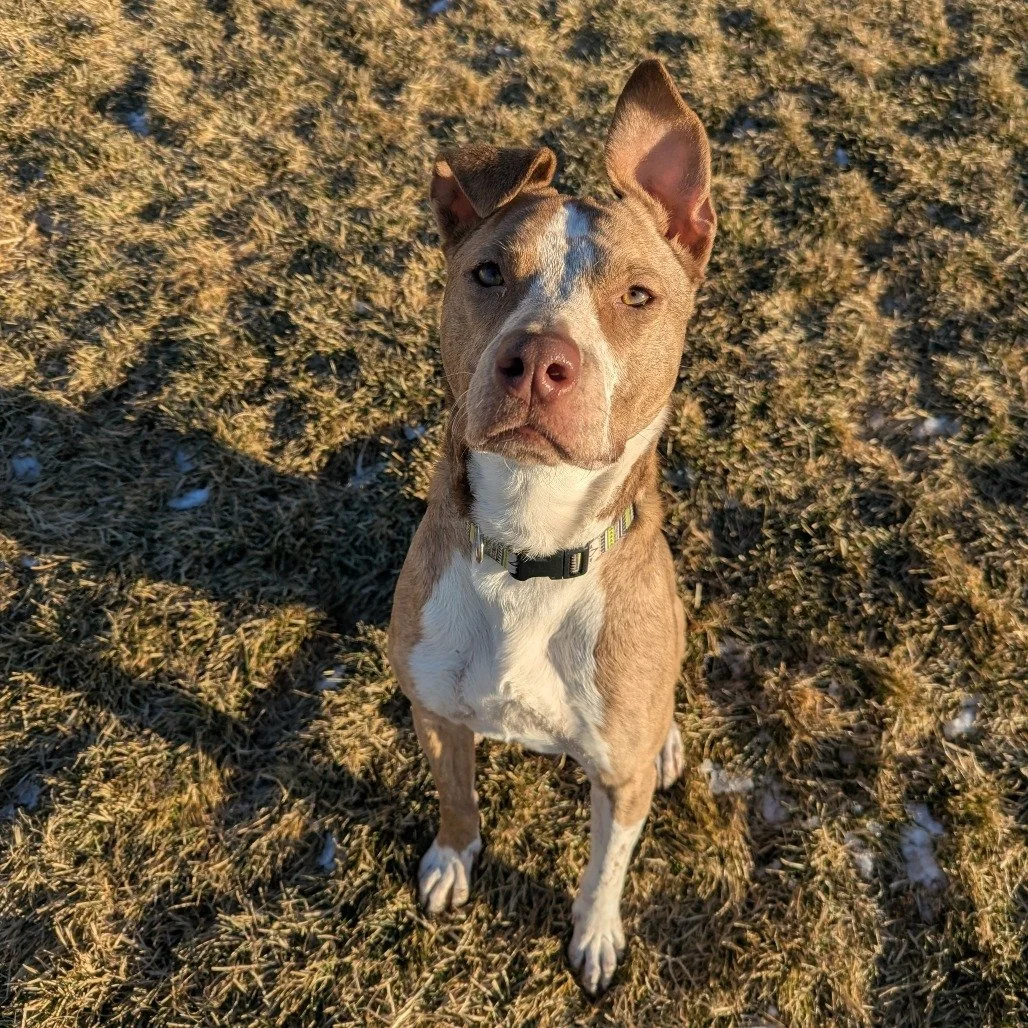
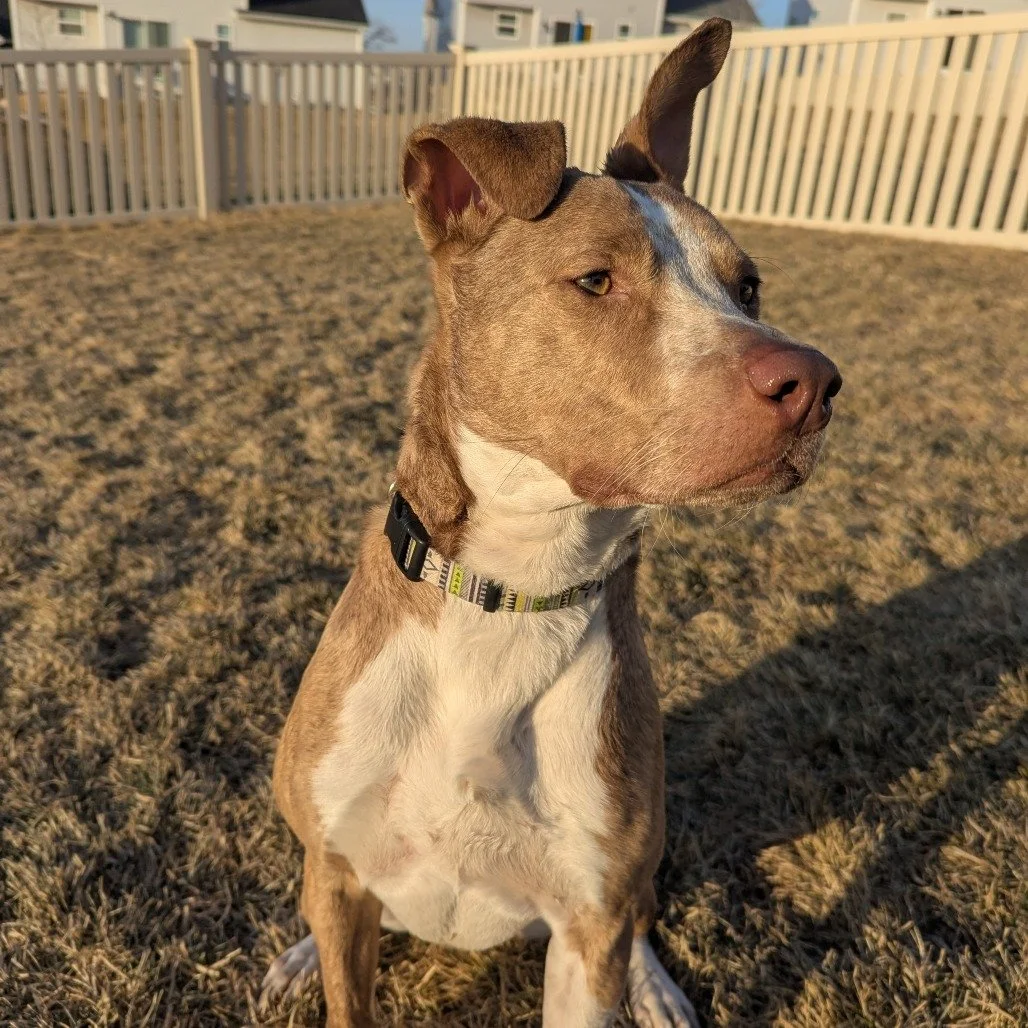
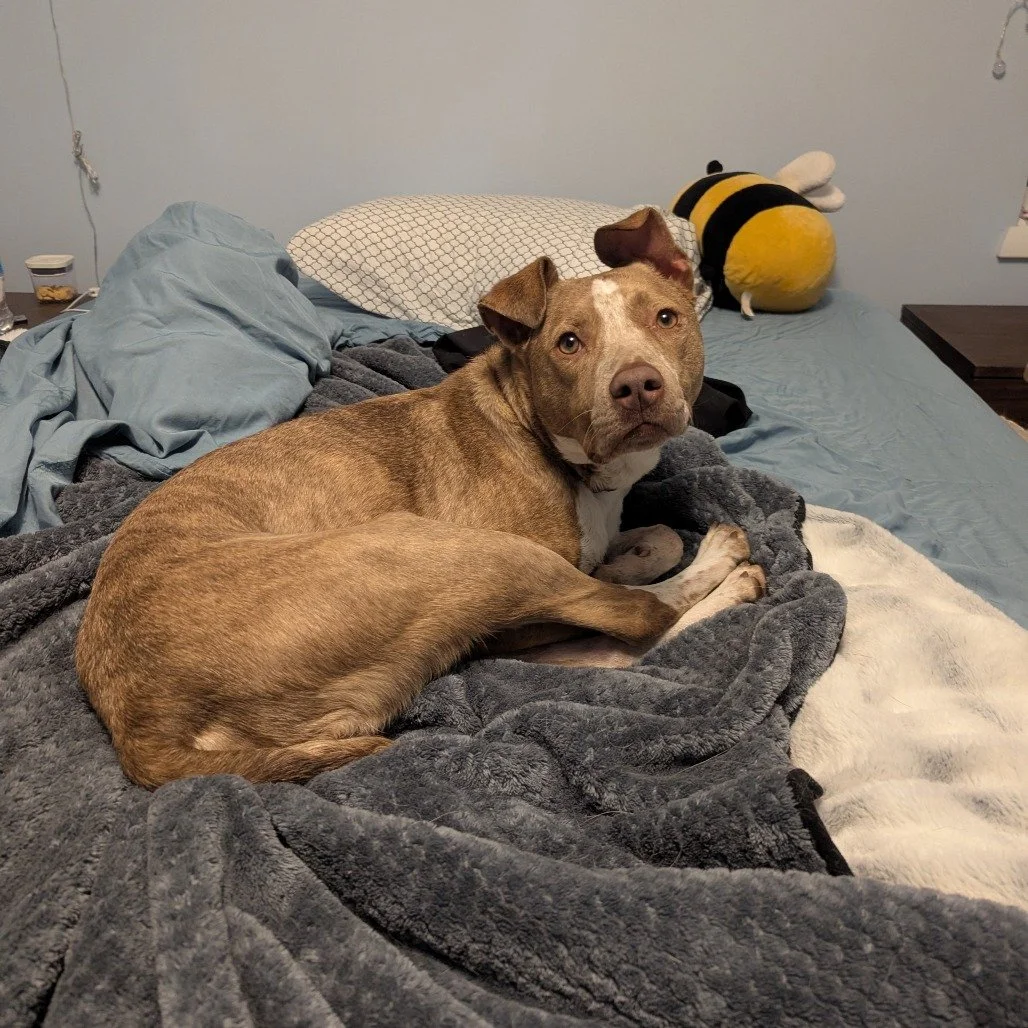
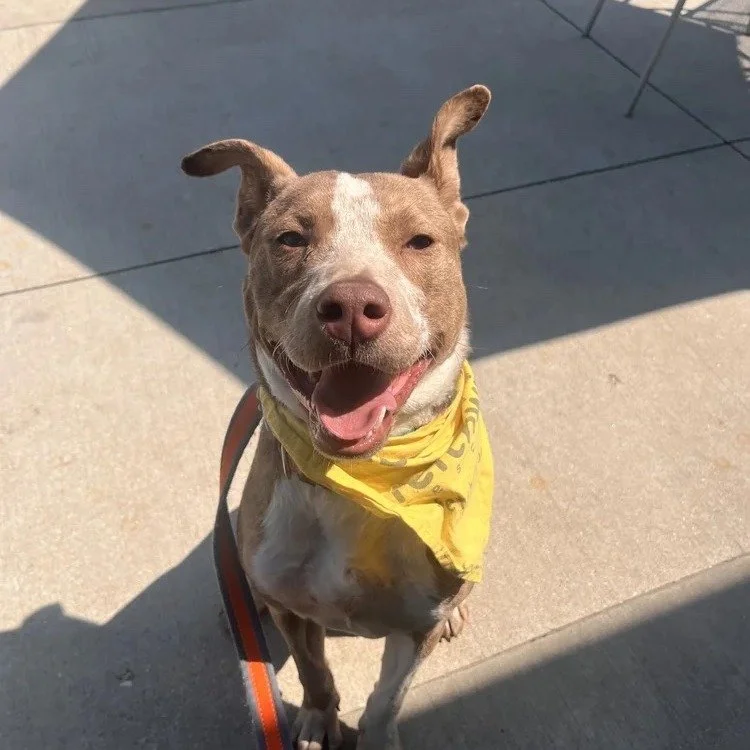
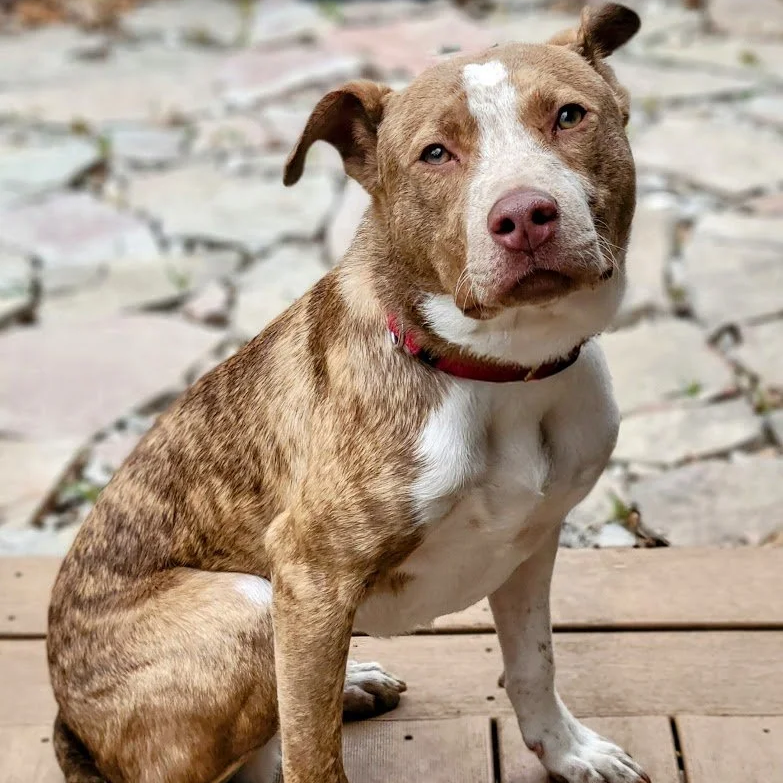
Duke is a handsome young Cattle Dog mix with unforgettable ears, an affectionate personality, and an intelligent mind that loves having something to do.
He welcomes visitors into his foster home and quickly asks them for attention. He also enjoys playing with one of the two dogs in his current home, walks nicely on a leash, and happily works for food during training.
Duke has many wonderful qualities, but he also has the energy, intensity, and adolescent behaviors commonly seen in young working-breed dogs. He will not be the right match for every household. For an active, experienced person willing to provide consistency, exercise, and continued training, however, Duke could become an incredible companion.
Meet Duke
Duke is an approximately 2-year-old Australian Cattle Dog mix weighing 43.8 pounds. He is currently living in a foster home through Fetch Wisconsin Rescue.
His foster family describes him as friendly, affectionate, playful, and remarkably intelligent. Duke loves the people he meets and is not shy about requesting pets from visitors.
He also has what may be his most recognizable feature: a pair of large, expressive ears that perfectly match his big personality.
Duke is still moving from adolescence into adulthood. He needs guidance, but he also has the intelligence and motivation necessary to make training rewarding for the person working with him.
Smart and Extremely Food-Motivated
Duke is both clever and highly food-motivated. His foster family jokes that he seems to believe ordinary kibble is the greatest thing in the world.
That enthusiasm makes training easier and more enjoyable. Instead of needing especially rich treats every time, Duke may be willing to work for part of his regular meal.
His adopter can use positive reinforcement to practice skills such as:
Checking in with his handler
Settling calmly on a mat
Waiting at doors
Coming when called
Walking past distractions
Leaving or dropping objects
Greeting visitors without becoming overexcited
Relaxing while activity happens around him
Going willingly into his crate
Waiting politely for meals
Disengaging from other dogs
Duke’s intelligence also means he may become bored if his daily life lacks structure or enrichment. Short training sessions, puzzle feeders, scent games, and other activities that require him to think can help him become a calmer and more fulfilled companion.
A Look at Duke’s Current Routine
Duke is already accustomed to a structured daily schedule in his foster home.
His mornings begin with a walk lasting approximately 45 minutes. Afterward, he spends time playing with a resident dog before eating breakfast.
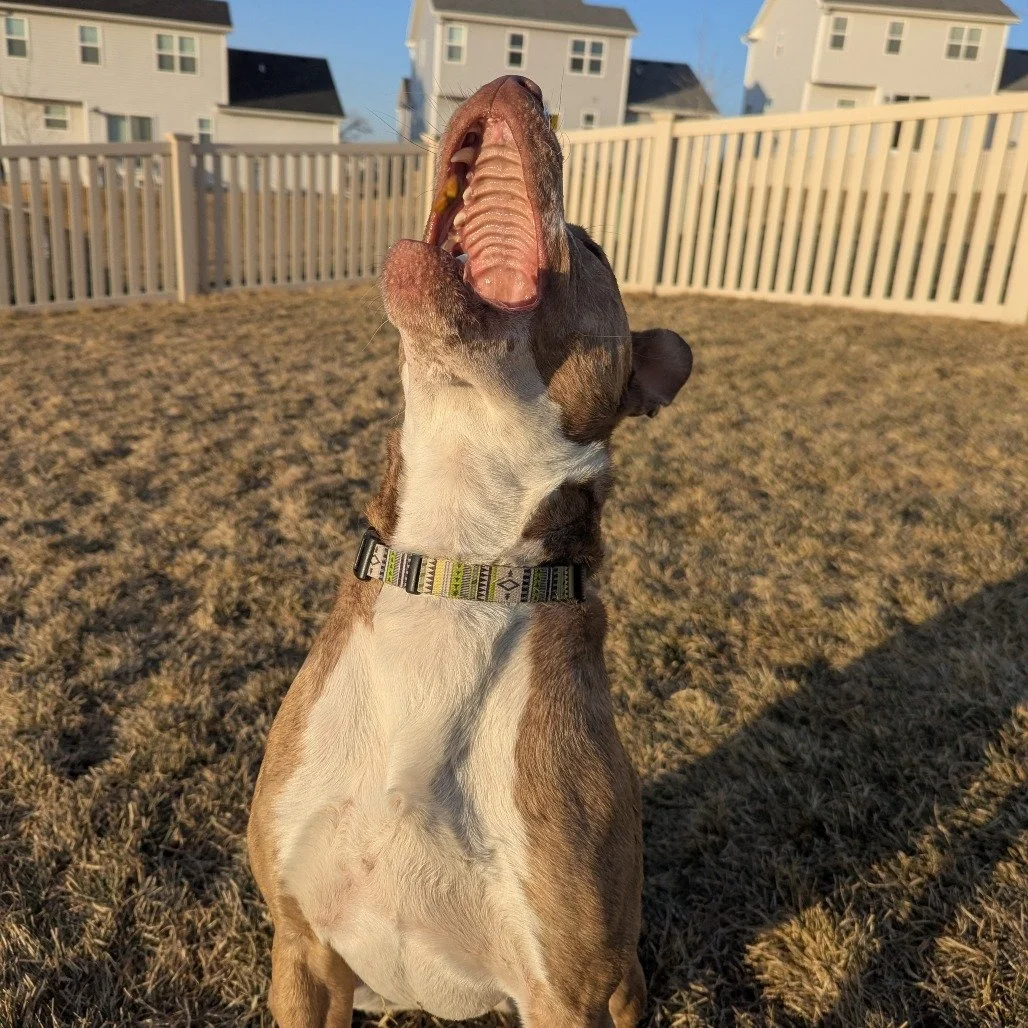
During the workday, Duke rests in his crate. In the evening, he enjoys playing in the yard and spending time loose inside the house, with occasional play sessions mixed into the routine.
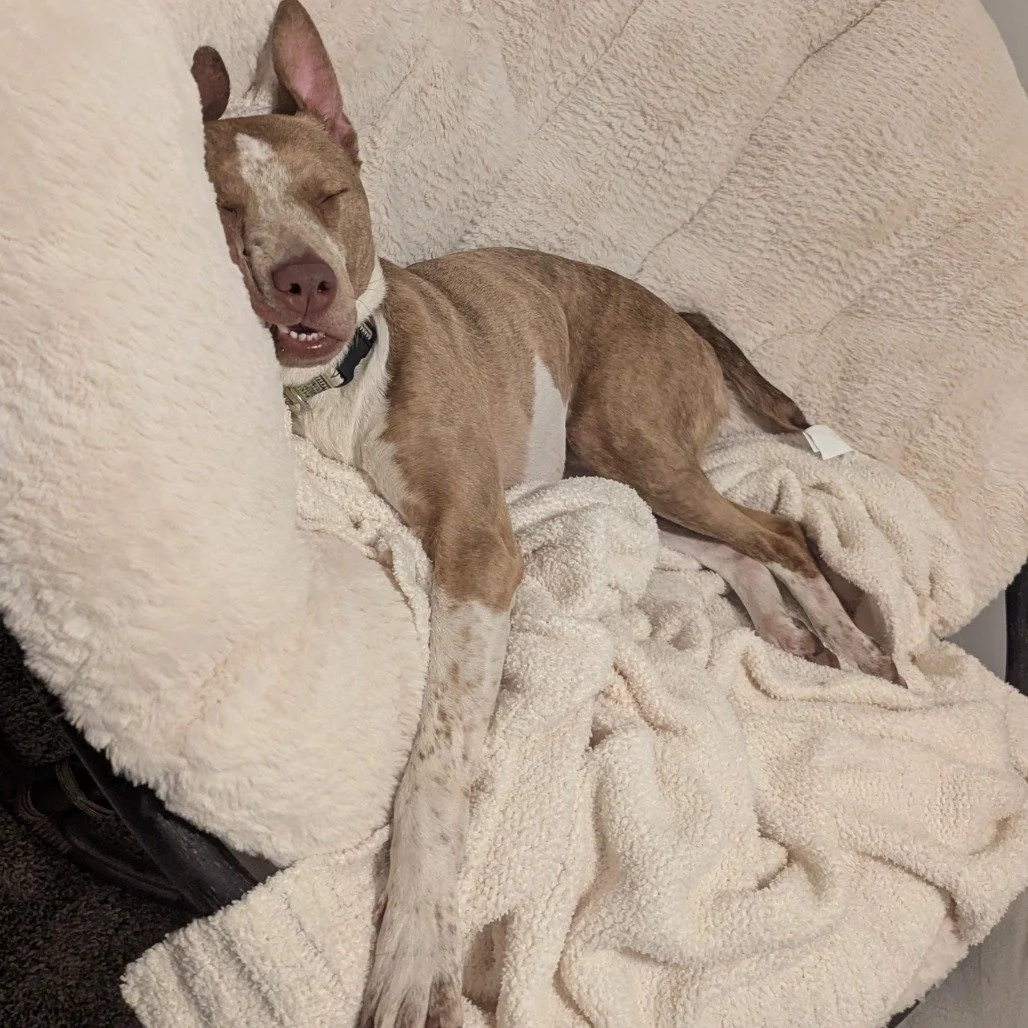
After dinner, his day ends with a chew and cozy time relaxing with his foster family.
This routine shows that Duke can balance activity with rest when his needs are met and expectations remain consistent. His future family should be prepared to continue offering both physical exercise and planned downtime.
Duke Needs an Active, Consistent Home
Duke will thrive with someone who enjoys being active and wants a dog to include in their daily routine.
A simple trip outside for a few minutes is unlikely to provide enough stimulation for him. He needs meaningful exercise, opportunities to use his brain, and continued practice making calm choices.
Activities Duke may enjoy include:
Daily walks
Hiking on dog-friendly trails
Supervised play in a secure yard
Reward-based obedience training
Scent work and searching games
Food puzzles
Fetch or structured toy play
Learning tricks
Appropriate canine sports
Adventures with an experienced handler
Playtime with a compatible dog
His adopter should increase strenuous exercise gradually and make sure activities are appropriate for his health and fitness level. Physical exercise alone will not necessarily create a calm dog; Duke also needs mental stimulation and opportunities to practice settling.
Experience with Working Breeds Is Important
Australian Cattle Dogs were developed to perform demanding work while remaining alert, persistent, and responsive. Those qualities can make them exceptional companions, but they can also create challenges in homes that are unprepared for their intensity.
Duke displays some classic Cattle Dog traits and adolescent behaviors. Fetch is looking for someone experienced with dogs of his breed mix and age who can continue guiding him toward thoughtful adult behavior.
His adopter should understand that progress will depend on:
Clear and consistent routines
Appropriate management
Reward-based training
Preventing unwanted behavior from becoming a habit
Recognizing signs of overstimulation
Providing productive outlets for energy
Practicing calm behavior
Remaining patient during adolescence
Continuing to work with qualified trainers when needed
Duke does not need harsh corrections or punishment. He needs a person who can provide calm structure, reinforce good decisions, and help him understand what is expected.
Living with Other Dogs
Duke currently lives with two dogs and especially enjoys playing with the younger one. He may be able to share his future home with another compatible dog, but he is described as dog-selective.
He can also become overexcited when he sees dogs. His adopter will need to help him remain focused and create enough distance when necessary.
Any resident dog should have a compatible energy level and play style. A successful multi-dog home will also need careful management because Duke can guard meals and chews.
Fetch recommends that Duke and other dogs be consistently separated during feeding and whenever high-value chews are provided. This may involve:
Feeding dogs in separate rooms or crates
Picking up bowls after meals
Giving chews only behind closed doors or barriers
Keeping dogs separated until every item has been collected
Avoiding loose food or high-value items in shared spaces
Supervising play
Learning the early signs of tension
Using gates and crates proactively
Resource guarding should not be addressed by repeatedly taking food away or provoking a reaction. Management and qualified, reward-based behavioral guidance can help keep everyone safe.
Fetch generally recommends a 24- to 48-hour separation period when introducing a newly adopted dog to resident animals. Slow introductions can reduce stress and help establish a safer relationship.
Duke Cannot Live with Cats
Duke is not considered suitable for a home with cats.
His future family should not plan to test whether he might eventually adjust to one. Even careful introductions cannot eliminate the risk when a rescue has specifically identified a dog as incompatible with cats.
A cat-free home will allow Duke’s adopter to focus on meeting his needs without placing another animal under unnecessary stress.
His compatibility with small animals or other pets should not be assumed. Applicants should discuss every animal in the household with Fetch Wisconsin Rescue.
An Adult-Only Home Is Preferred
Duke’s profile indicates that an adult-only home is preferred.
This does not mean Duke is unfriendly—he loves people and warmly greets visitors. However, his adolescent energy, working-breed tendencies, resource guarding, and need for consistent management make him better suited to adults who can understand and follow his training plan.
An adult home can provide Duke with the predictability and structure he needs while minimizing situations that may be overwhelming or difficult to manage.
Potential adopters should tell Fetch about regular child visitors as well as children living in the home so the rescue can evaluate the complete environment.
Why Duke Is Not an Apartment Dog
Duke is specifically listed as unsuitable for apartment living.
An apartment may make it more difficult to provide the space, routine, and management he needs, particularly when every bathroom break requires navigating hallways or shared outdoor areas where unfamiliar dogs may appear at close range.
A home with more separation from neighboring dogs and access to an appropriate outdoor space would likely be a better fit.
A fenced yard could provide a useful place for exercise and play, but it should not replace walks, enrichment, training, or time with his family. Applicants should ask Fetch whether a fence is required for Duke or simply preferred.
Crate-Trained and Comfortable with a Routine
Duke is crate-trained and currently remains crated while his foster family works.
A crate can provide him with a predictable place to relax and can help manage interactions with other dogs, food, visitors, and household activity. It should remain a comfortable resting area rather than being used as punishment.
His future family should ask about:
How many hours he currently spends crated
Whether he enters willingly
What bedding or toys are safe to leave with him
Whether the crate is covered
How he behaves when left alone
His bathroom schedule
Whether he vocalizes in the crate
How he signals when he needs to go outside
Whether he sleeps in the crate overnight
Maintaining elements of his existing routine may help Duke settle more easily after moving into his new home.
Duke’s Health
Duke is listed as neutered. Fetch Wisconsin Rescue states that its adoption fees include age-appropriate rabies, distemper, and Bordetella vaccinations; a microchip; flea and tick prevention; heartworm prevention; and other medical care needed before placement.
Applicants should confirm exactly what Duke has received and request copies of his veterinary records.
His future family should also ask about:
Vaccination dates
Heartworm test results
Preventive medication
Microchip registration
Current food and feeding schedule
Allergies or sensitivities
Previous injuries or illnesses
Recommended exercise
His ideal adult weight
Any medications or supplements
Duke’s adopter should establish care with a veterinarian and continue routine wellness examinations, parasite prevention, dental care, vaccinations, and healthy weight management.
Duke’s Ideal Home
Duke needs an active, experienced family prepared to help a lively young working-breed dog mature into a thoughtful adult.
His ideal home will provide:
Adults only
No cats
A house rather than an apartment
Daily physical exercise
Regular mental enrichment
Continued positive training
Experience with Cattle Dogs or similar working breeds
A predictable routine
Clear and consistent boundaries
Careful management around food and chews
A compatible resident dog or no other dogs
Slow introductions to any canine companion
A willingness to work with a qualified trainer
Plenty of affection and time with his people
Lifelong veterinary and preventive care
Duke may be especially well suited to an active individual or couple who enjoys training and wants an intelligent dog to become a true partner.
About Fetch Wisconsin Rescue
Fetch Wisconsin Rescue is a foster-based, volunteer-run nonprofit organization dedicated to rescuing and rehabilitating unwanted, neglected, and abused dogs from shelters throughout the Midwest, along with dogs surrendered by local owners.
Founded in April 2013, Fetch reports that it has rescued more than 5,000 dogs. The organization spends time learning about each dog in foster care so it can make thoughtful matches with potential adopters.
Fetch does not operate a traditional public shelter. Its dogs live in foster homes, and approved applicants meet them in those environments.
How to Adopt Duke
Anyone interested in Duke should begin by reviewing Fetch Wisconsin Rescue’s adoption requirements and submitting an application.
Duke’s profile:
Meet Duke
Adoptable dogs and application:
Apply Through Fetch Wisconsin Rescue
Adoption process:
Learn How Fetch Adoptions Work
Rescue website:
Fetch Wisconsin Rescue
The adoption process includes:
Completing an adoption application
Paying a nonrefundable $35 processing fee
Background and reference checks
A home visit
Application approval
A meet-and-greet at Duke’s foster home
An overnight waiting period before making a decision
Completing the adoption and bringing Duke home within three days
Fetch considers applicants according to the date their applications were received, but the rescue ultimately selects the home it believes is the best match for each dog.
The typical application approval process takes approximately two to four weeks, although timing varies based on volunteer availability.
Adoption Fee
Duke falls within Fetch’s adult age category, making his adoption fee $350.
The fee includes standard veterinary care and reimbursement of up to $90 after the adopter completes a training class with their new dog.
Adoption Area
Fetch accepts out-of-state adopters. However, applicants must travel to Duke’s foster home—likely in the Madison, Wisconsin area—for the meet-and-greet and return to collect him after the required overnight waiting period.
The primary applicant must be at least 21 years old.
Contact Information
Adoption questions: Submit an application or use the approved-adopter contact form on the Fetch adoption page.
General contact: Fetch Wisconsin Rescue Contact Page
Mailing address: P.O. Box 930572, Verona, WI 53593
Fetch asks people to use its adoption page for information about adoptable dogs rather than sending general status inquiries. Approved applicants can communicate directly with their assigned adoption coordinator.
Help Duke Find the Experienced Home He Needs
Duke is loyal, affectionate, intelligent, playful, and ready to become someone’s dedicated companion.
He is not looking for a completely effortless home. He needs adults who understand young working dogs, can manage his interactions around food, and will continue helping him make good choices.
In return, Duke offers enthusiasm, affection, trainability, and the potential to build an extraordinary bond with the person willing to invest in him.
He already knows how to walk nicely on a leash, rest in his crate, welcome visitors, and play with a compatible dog. With daily exercise, mental challenges, patient guidance, and plenty of love, Duke can continue developing into the remarkable adult dog his foster family knows he can become.
Please share Duke’s story—especially with experienced Cattle Dog owners and active adults looking for a smart, affectionate training partner.
