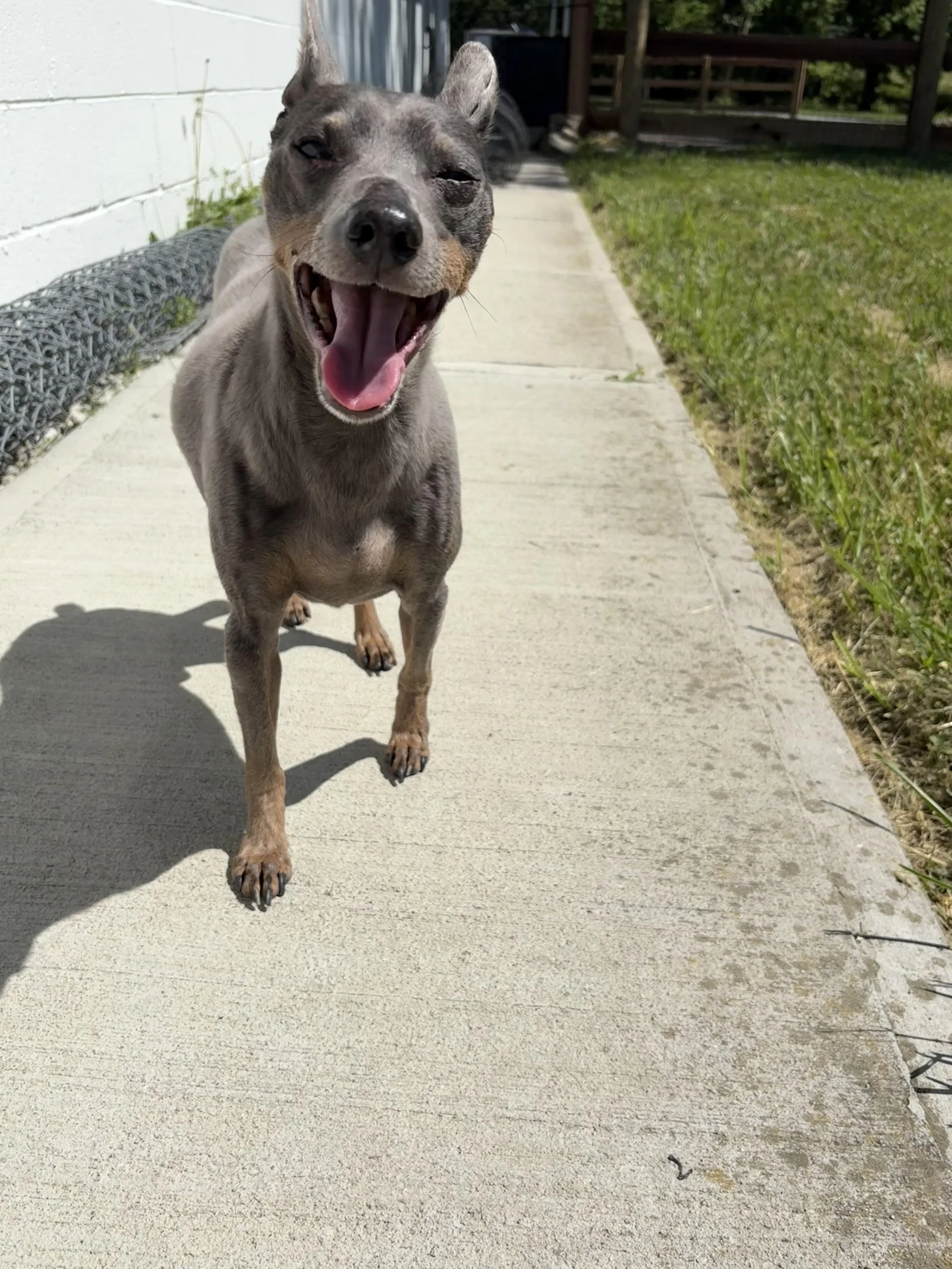
Location: Wilder, Kentucky at Protect 4 Paws
Breed: Miniature Pinscher
Age: 11 years old
Gender: Male
Weight: 16.8 pounds
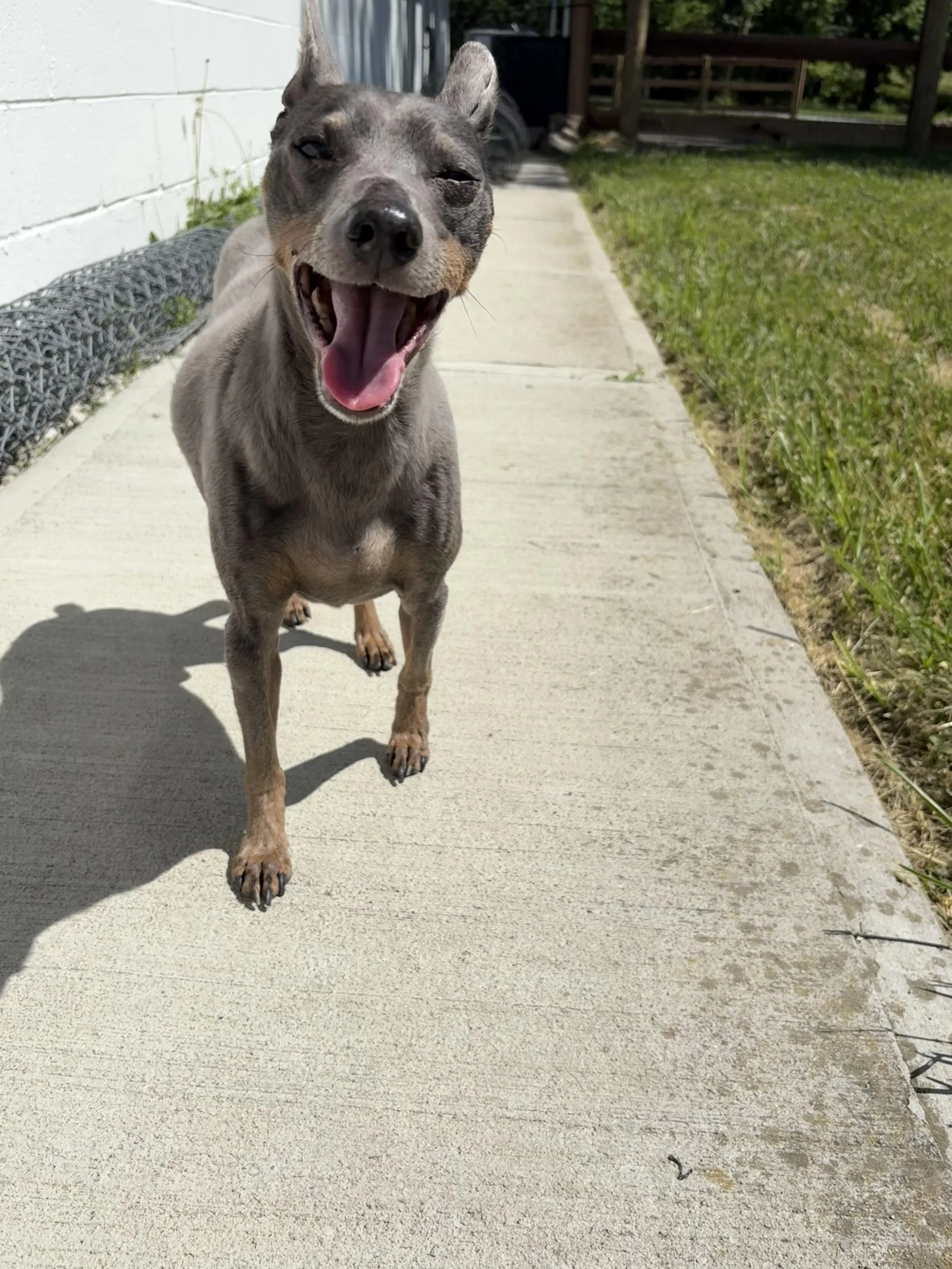
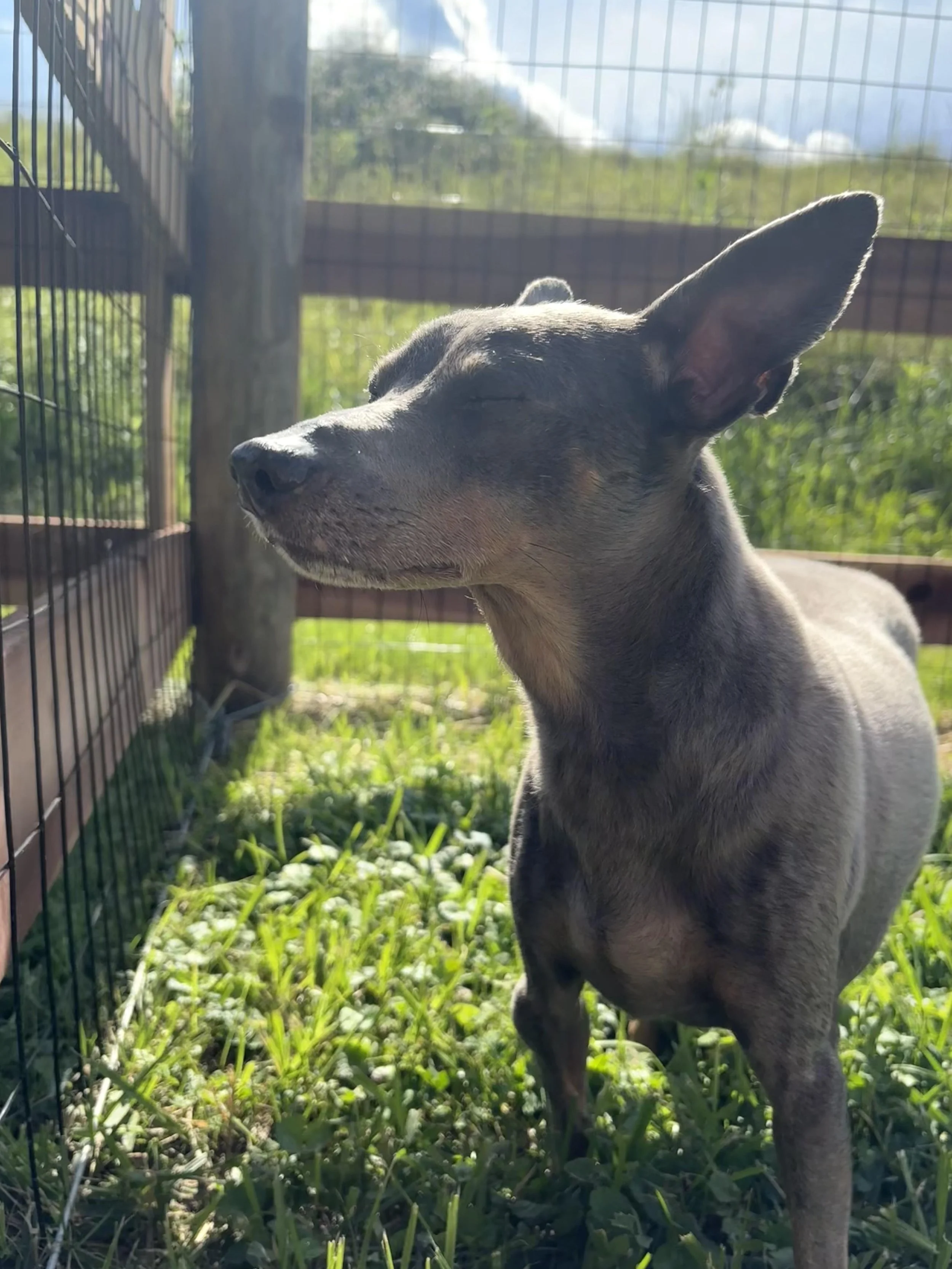
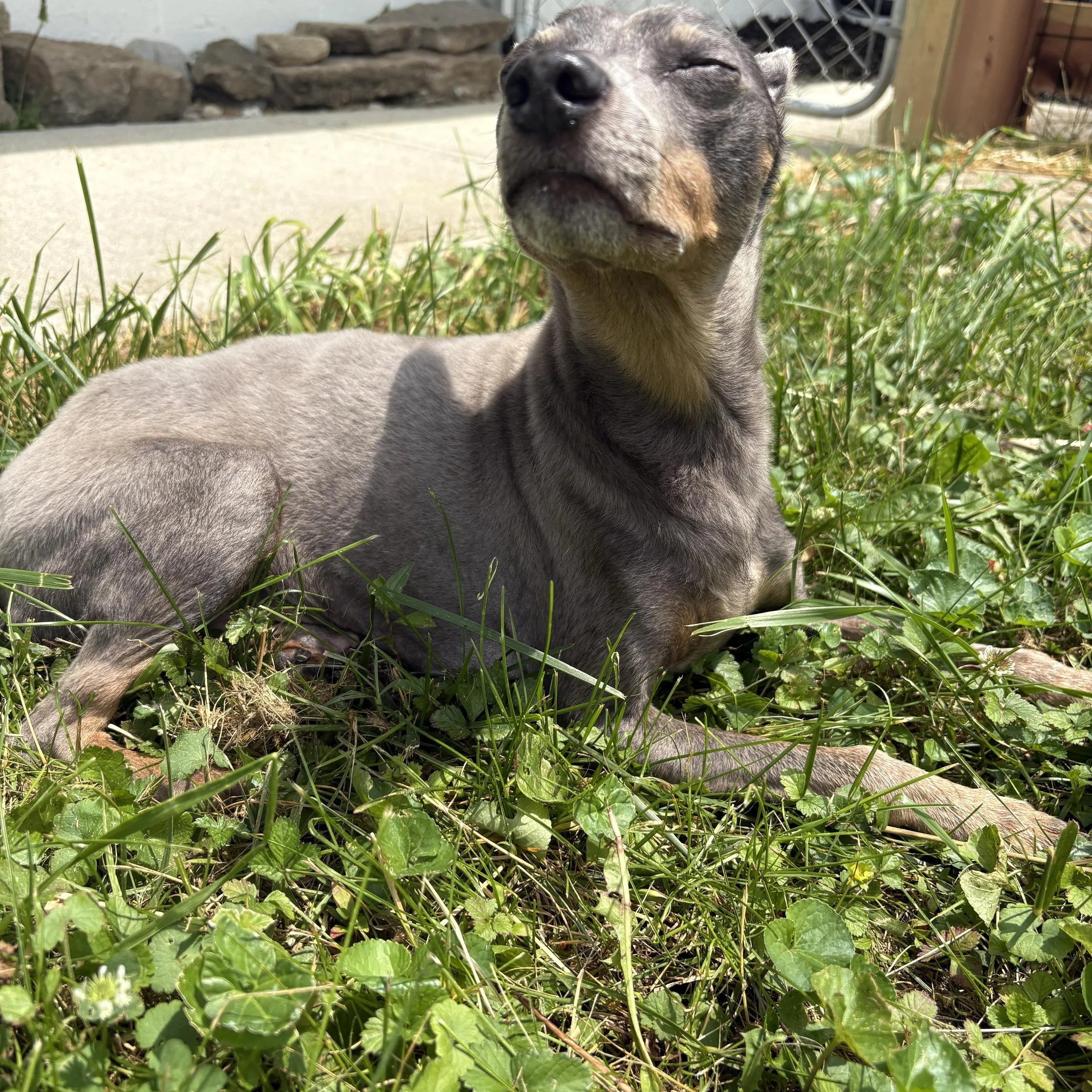
Trouble’s name may sound mischievous, but the shelter says it could not be less fitting. This laid-back 11-year-old Miniature Pinscher is a gentle, loving senior who wants a comfortable place to burrow under blankets and spend his remaining years beside people who adore him.
Trouble spent his life living in homes with his person. Unfortunately, his former owner developed Alzheimer’s disease. As their health rapidly declined and caring for Trouble became impossible, this devoted little dog suddenly found himself at Protect 4 Paws.
Now Trouble is adjusting to a life he never expected—and waiting for someone to give him the security of a home again.
Meet Trouble
Trouble is a small Miniature Pinscher weighing approximately 16.8 pounds. His profile describes him as friendly, loyal, funny, gentle, and affectionate.
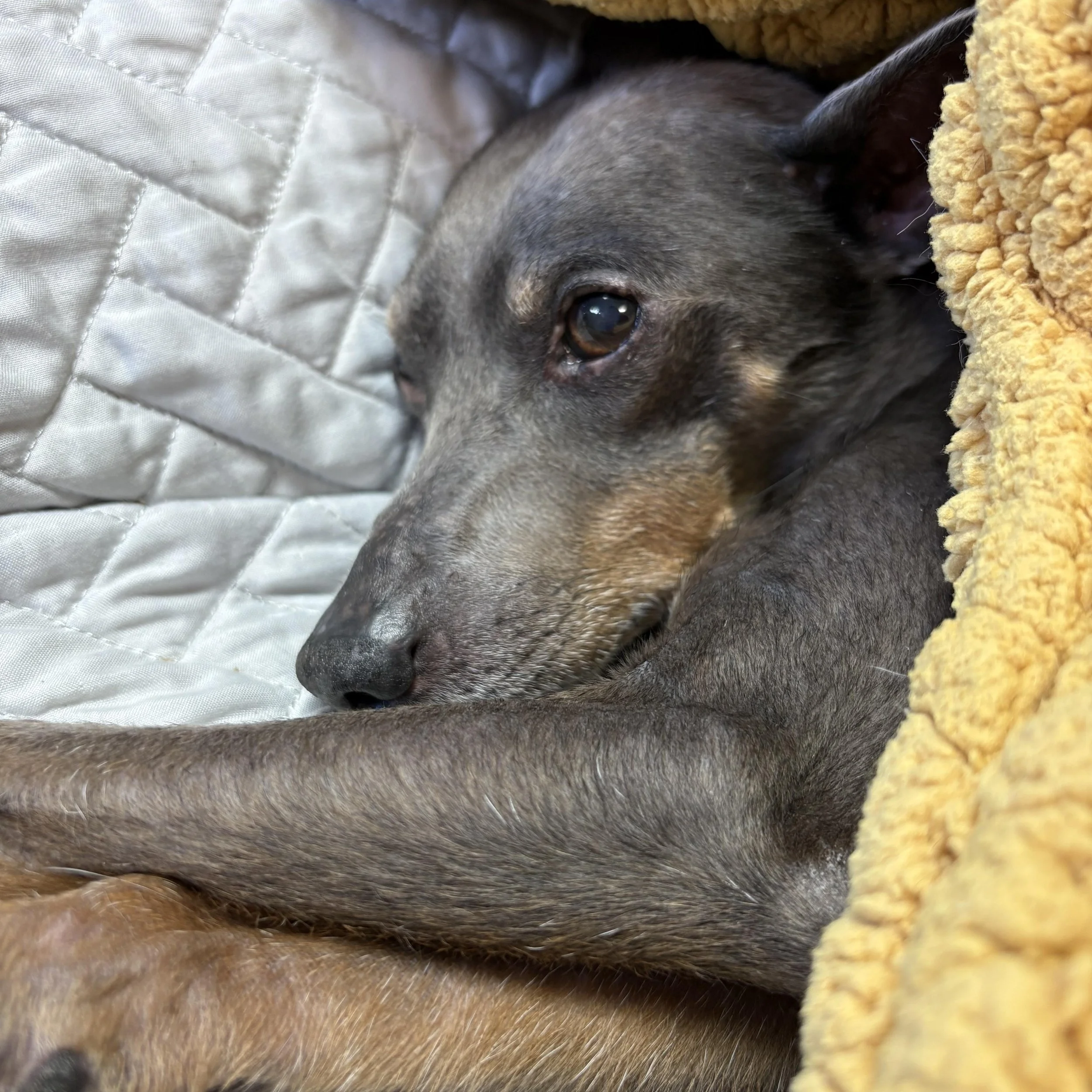
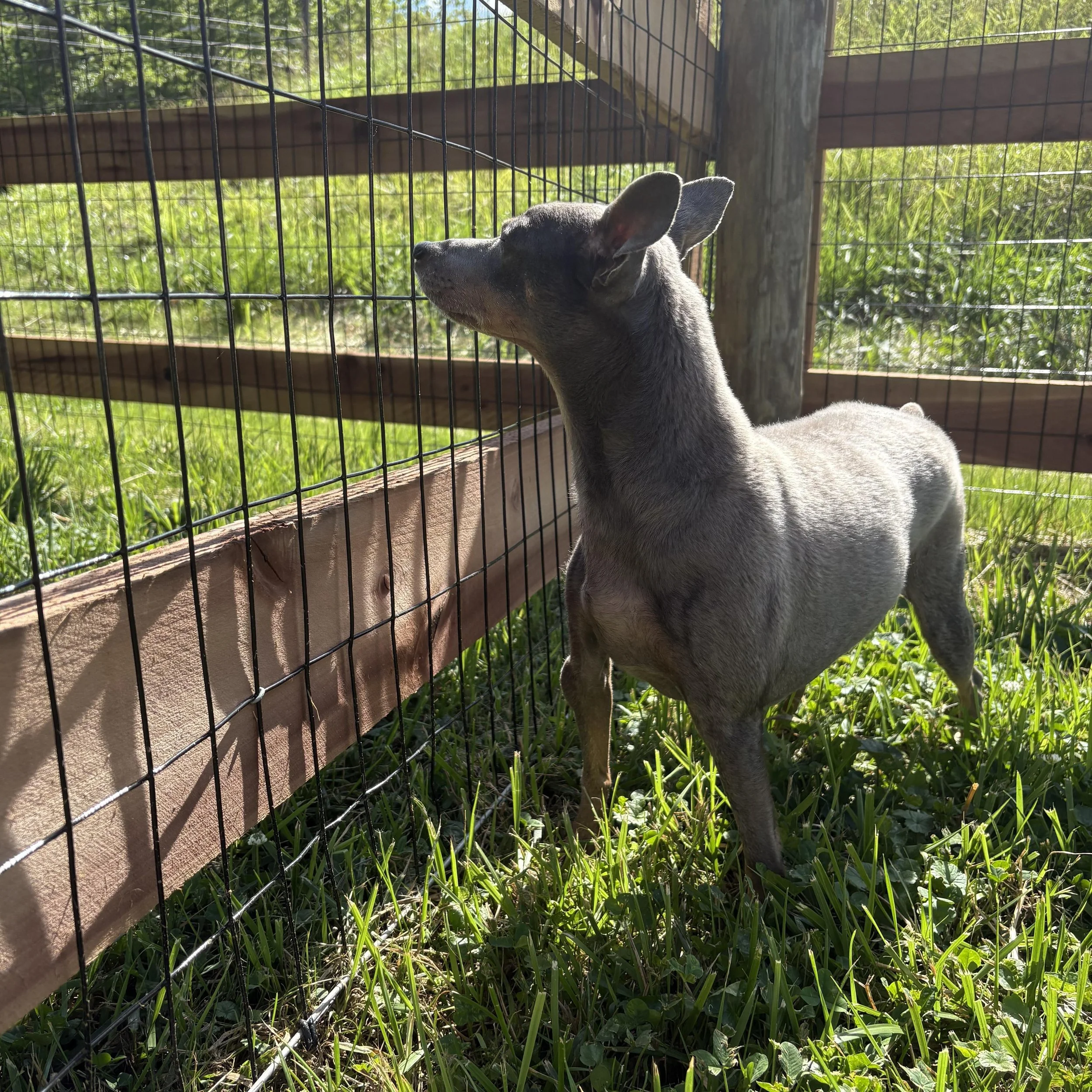
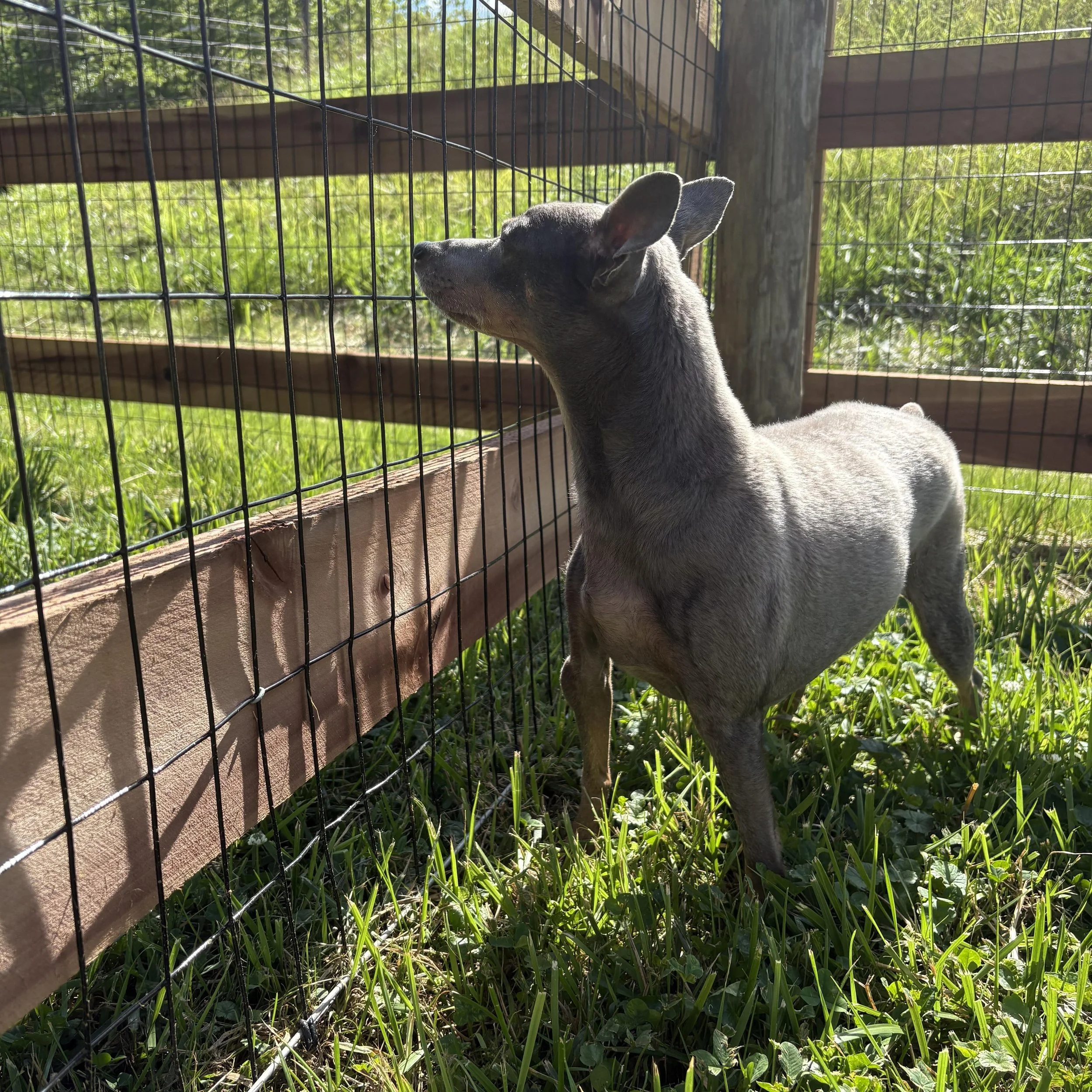
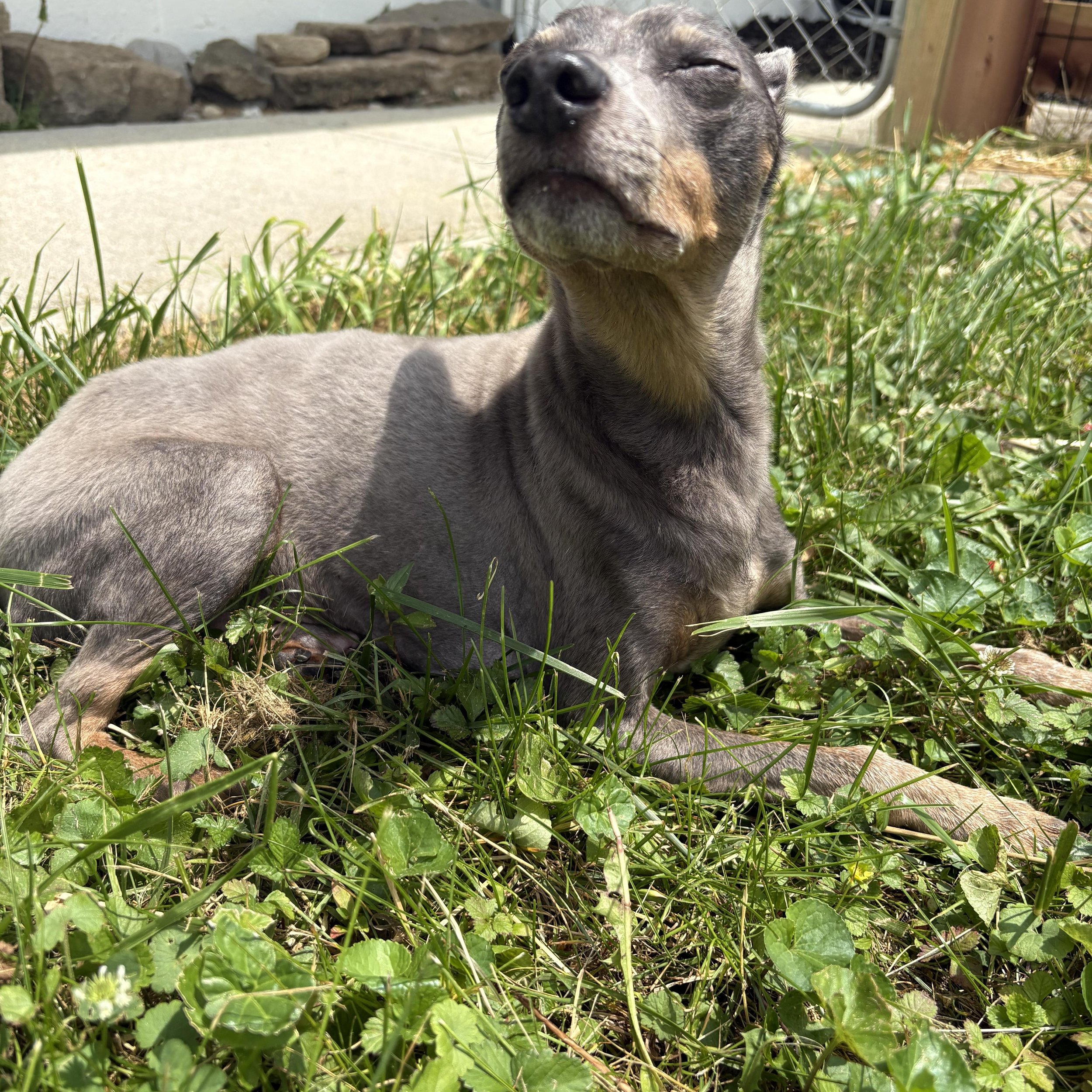
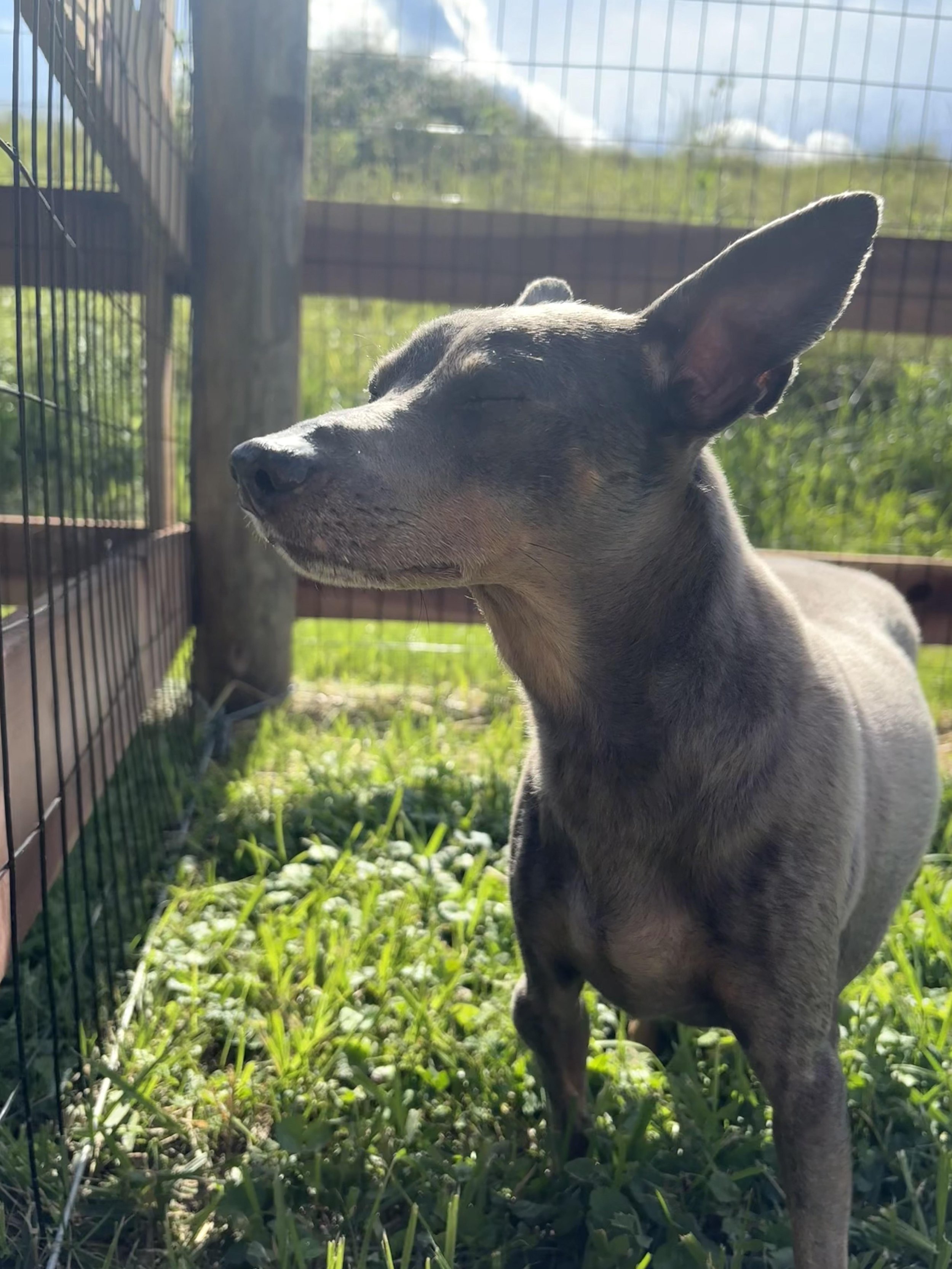
At 11 years old, Trouble has already developed his own preferences and routines. He loves kisses, treats, walks, car rides, warm sunshine, and creating cozy little dens underneath blankets.
He is also house-trained, giving his future family a helpful foundation as he transitions into another home.
Trouble may not see as clearly as he once did, but his limited vision has not stopped him from enjoying life. He still becomes excited when his leash and harness appear, stepping his tiny paws into them because he knows an outing is about to begin.
Losing the Only Life He Knew
Trouble did not enter the shelter because he was unwanted or had done something wrong. His owner’s declining health made it impossible for them to continue caring for either themselves or their beloved dog.
For a senior who had spent his entire life in a home as an only pet, moving into a small shelter filled with more than 40 cats was an enormous adjustment.
Trouble initially responded with a few nervous barks, trembling, and some unsettled nights. These reactions were understandable for a visually impaired senior suddenly surrounded by unfamiliar animals, people, noises, and routines.
After receiving time and patience, however, Trouble began finding his place within the shelter. He adjusted to the cats, became more comfortable with his surroundings, and showed everyone the sweet dog hidden beneath his initial uncertainty.
His story is an important reminder that a scared dog’s first few days do not always represent who that dog will become after feeling safe.
He Can Live with Dogs and Cats
Although Trouble previously lived as an only pet, he has surprised his caregivers by adjusting well to the animals around him.
Trouble currently lives among many cats and is listed as good with both cats and dogs. When another dog joined the shelter, Trouble seemed to blossom. The shelter has learned that he can get along with many different companions as long as they give him enough time to warm up.
A future home with another calm, respectful animal may therefore be possible. Introductions should still be gradual and carefully supervised, particularly because Trouble is older and cannot see well.
His future family should:
Give Trouble a separate space when he first arrives
Avoid forcing immediate interactions
Allow him to investigate another animal at his own pace
Prevent younger or more energetic pets from overwhelming him
Supervise interactions until everyone is comfortable
Provide separate food bowls and resting areas
Make sure Trouble can retreat when he needs quiet time
Ask Protect 4 Paws to help evaluate any potential match
A calm resident dog or cat that respects Trouble’s space may become a comforting companion. A highly energetic animal that frequently bumps, chases, or startles him may be more difficult for this senior.
Best Without Young Children
Trouble is friendly with people, but Protect 4 Paws believes he may not be comfortable around young, unpredictable children.
Because his vision is limited, sudden movements, loud noises, tight hugs, or unexpected touching could frighten him. Trouble needs people who understand how to approach a visually impaired senior calmly and respectfully.
An adult household or a family with older, dog-experienced children may be more appropriate. Any children in the home should understand that Trouble needs:
Gentle handling
Space while eating or sleeping
A warning before being touched
Freedom to walk away
Protection from rough play
Calm and predictable interactions
Protect 4 Paws should make the final determination about whether Trouble is a suitable match for each household.
Trouble Loves to Be Cozy
True to his Miniature Pinscher personality, Trouble loves burrowing and making himself as snug as possible.
When he cannot stretch out in a warm patch of sunshine, he wants a comfortable blanket den. His future family should be prepared to check blankets and bedding before sitting down, because Trouble may be happily tucked beneath them.
A few soft beds placed throughout the home could give him safe and predictable resting places. He may especially appreciate:
Fleece blankets
Covered or cave-style beds
A warm bed away from drafts
Washable bedding for sensitive skin
A quiet sleeping area
Non-slip rugs leading to his favorite spots
Because older dogs spend more time resting, a supportive and comfortable bed can make an important difference in Trouble’s daily quality of life.
Walks, Car Rides, and Time Outside
Trouble enjoys going for walks and spending time outdoors. He also behaves well during car rides, which could make him a lovely companion for relaxed outings.
When his leash and harness appear, Trouble reportedly lifts his dainty paws and steps into them. He clearly understands what the equipment means and looks forward to the adventure ahead.
His family should choose walks appropriate for his age, vision, and physical condition. Shorter, more frequent outings may be preferable to strenuous exercise.
Because Trouble cannot see well, his adopter should:
Keep him securely leashed outside
Use a comfortable, properly fitted harness
Avoid retractable leashes
Watch for curbs, steps, holes, and other obstacles
Choose familiar and predictable walking routes
Prevent unfamiliar dogs from rushing toward him
Speak to him before touching or redirecting him
Avoid moving too quickly through crowded environments
Use extra caution after dark
Trouble may enjoy exploring through scent and sound even when his vision cannot provide a complete picture of his surroundings.
He Loves Food—Sometimes a Little Too Much
Trouble loves food and treats, but he has a habit of eating too quickly. His profile recommends using a paced or slow feeder.
Eating too fast can lead to coughing, gagging, vomiting, or digestive discomfort. A slow-feeder bowl, food puzzle, or divided meal may encourage him to eat at a safer pace.
His adopter should ask the shelter about:
His current food
Meal size and schedule
Any allergies or sensitivities
Whether food affects his skin
His favorite treats
The slow feeder he currently uses
Whether he guards food from people or animals
His ideal weight
Any diet changes should be introduced gradually to avoid upsetting his stomach.
Understanding Trouble’s Color Dilution Alopecia
Trouble experienced hair loss and irritated skin along his back. A veterinary examination determined that he has color dilution alopecia, a condition commonly associated with dogs who have diluted coat colors such as blue or gray.
Color dilution alopecia can cause thinning hair, hair loss, dry or irritated skin, and recurring skin problems. It is not contagious, but it may require lifelong management.
Trouble currently receives medicated baths—and, fortunately, he loves them.
His future family should ask Protect 4 Paws for detailed instructions regarding:
The name of his medicated shampoo
How frequently he needs baths
Whether the shampoo must remain on his skin for a specific period
Any topical products or medications he uses
Signs of infection or worsening irritation
Whether he has environmental or food sensitivities
His recommended grooming routine
When he should return to the veterinarian
Trouble’s bedding should be kept clean, and products used on his skin should be approved by his veterinarian. Human shampoos or heavily scented products may increase irritation.
Trouble’s Other Senior Health Needs
Trouble has several age-related health considerations. His eyesight is not very strong, and he has the expected lumps and bumps that can develop as dogs grow older. According to his profile, his veterinarian was not especially concerned about those growths.
He also has senior dental disease. His adopter should request his dental records and ask whether he needs professional treatment, extractions, medication, or adjustments to his food.
Trouble recently experienced a brief, unexplained vestibular episode. For approximately one minute, he leaned heavily to one side, could not steady himself, and appeared dazed. He recovered and has not shown related neurological symptoms before or since.
Vestibular symptoms can have several possible causes, so his future family should understand what occurred and know what to do if it happens again. Any recurrence, prolonged imbalance, unusual eye movements, collapse, vomiting, weakness, seizure-like activity, or change in awareness should be reported promptly to a veterinarian.
Encouragingly, Trouble has received two recent bloodwork panels, and the shelter reports that the results were excellent.
Before bringing him home, an adopter should request copies of all medical records and discuss:
His vision loss
Color dilution alopecia
Medicated bathing schedule
Dental disease
Existing lumps and bumps
The recent vestibular episode
Vaccination history
Microchip information
Preventive medications
Current diet and supplements
Recommended veterinary follow-up
Helping a Visually Impaired Senior Adjust
Trouble’s limited vision means that consistency will be especially important in his new home.
His family should avoid frequently moving furniture, food bowls, beds, and other important items. Keeping clear pathways can help him learn the layout and move around confidently.
Other ways to support him include:
Speaking before approaching or touching him
Blocking access to unsafe stairs
Using gates around pools or dangerous areas
Placing non-slip rugs on smooth floors
Keeping clutter out of walking paths
Guiding him slowly through unfamiliar rooms
Using consistent words for steps and obstacles
Giving him time to investigate through scent
Avoiding sudden physical corrections
Keeping his food, water, and bed in predictable locations
Trouble has already demonstrated that he can adapt. He simply needs time, patience, and a family willing to make his environment easy to navigate.
Trouble’s Ideal Home
Trouble needs a calm and loving home that understands senior dogs and will continue managing his medical needs.
His ideal family will provide:
A peaceful and predictable routine
No young children
Gentle, respectful handling
Patient introductions to resident dogs or cats
Soft blankets and cozy beds
A safe place to burrow
Short, enjoyable walks
Supervised outdoor time
Continued medicated baths
A slow-feeder bowl
Regular dental and veterinary care
A home arranged safely for limited vision
Plenty of affection and companionship
A commitment for the rest of his life
Trouble may have special needs, but those needs are manageable for someone prepared to provide thoughtful senior care. In return, his family will receive a gentle, funny, loyal companion who loves kisses and wants nothing more than to feel safe again.
About Protect 4 Paws
Protect 4 Paws is a small, family-run, no-kill animal shelter located in Wilder, Kentucky.
Founded in 1963 by Lucille Taylor, the nonprofit continues her commitment to helping surrendered animals throughout Northern Kentucky and surrounding communities. The shelter specializes in cats and small dogs whose families can no longer care for them.
Protect 4 Paws describes itself as “the little shelter that could” and practices socially conscious animal sheltering. Its work is funded entirely by donations.
How to Adopt Trouble
Protect 4 Paws uses a conversation-based adoption process and requires potential adopters to meet animals in person. The shelter does not offer same-day adoptions.
The process includes:
Contacting the shelter to schedule an appointment
Meeting Trouble in person
Completing an adoption application
Discussing Trouble’s needs and compatibility
Receiving application approval
Completing an adoption contract
Providing a copy of a photo ID
Participating in two-week, three-month, and six-month follow-ups
All household members are encouraged to attend the meeting. If an applicant has a dog, Protect 4 Paws may also arrange a supervised introduction as long as the resident dog is current on vaccinations and the shelter is notified beforehand.
Trouble’s profile:
Meet Trouble on Petfinder
Adoption information:
Review the Protect 4 Paws Adoption Process
Shelter website:
Protect 4 Paws
Protect 4 Paws lists dog adoption fees between $150 and $250. Contact the shelter to confirm Trouble’s individual fee.
Contact Information
Email: protect4paws@gmail.com
Phone: (859) 781-0551
Address: 105A 3 Mile Road, Wilder, KY 41076
Hours:
Monday through Saturday: 12:00–4:00 p.m., by appointment only
Sunday: Closed
Give Trouble the Bright Future He Deserves
Trouble spent 11 years knowing the comfort and familiarity of a home. When his owner became seriously ill, he lost that life through no fault of his own.
Despite the enormous change, Trouble has shown that he can adjust. He learned to coexist with a shelter full of cats, welcomed another dog into his world, and revealed himself to be a sweet, laid-back senior who is anything but trouble.
He may not see clearly, but he still recognizes kindness. He still becomes excited for walks, enjoys car rides, loves his treats, and searches for the coziest blanket available.
Trouble does not need a perfect family. He needs a patient one—someone willing to give an 11-year-old dog the security, comfort, and love he once knew.
Please share Trouble’s story. The warm blanket, peaceful home, and devoted person he deserves may be only one share away.
