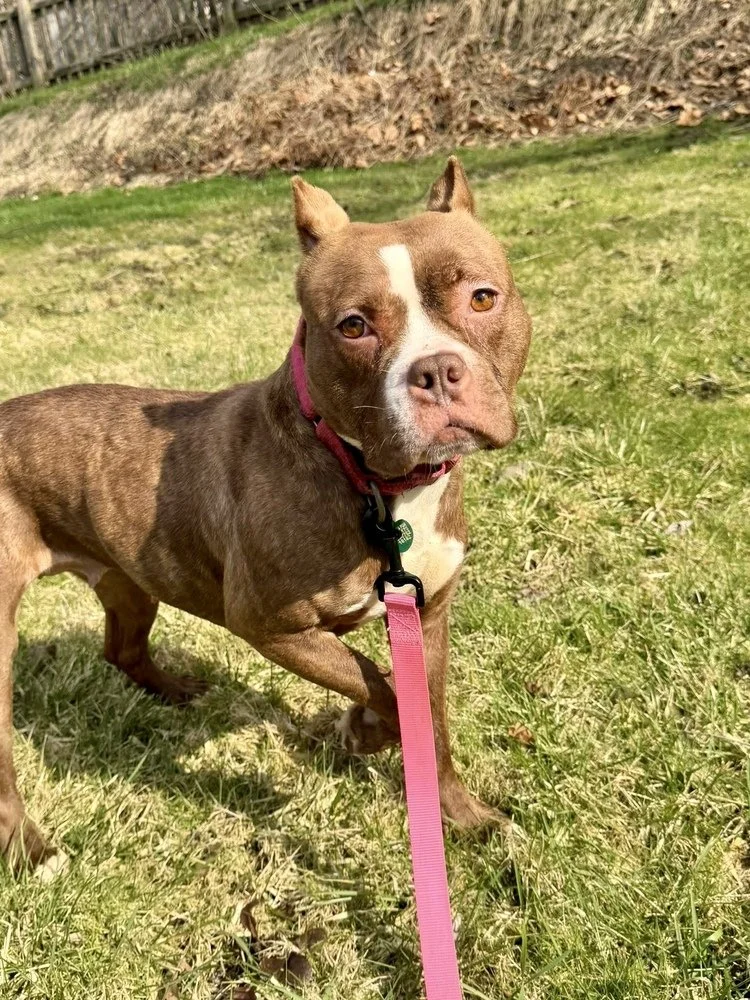
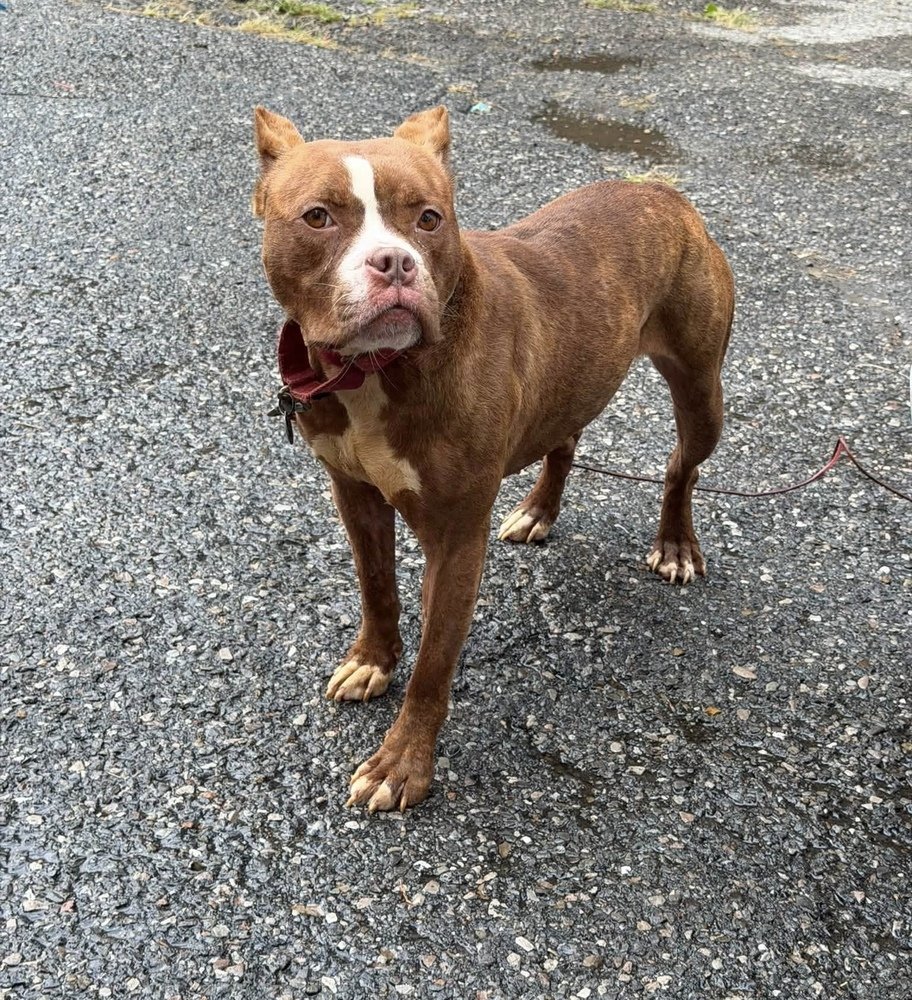


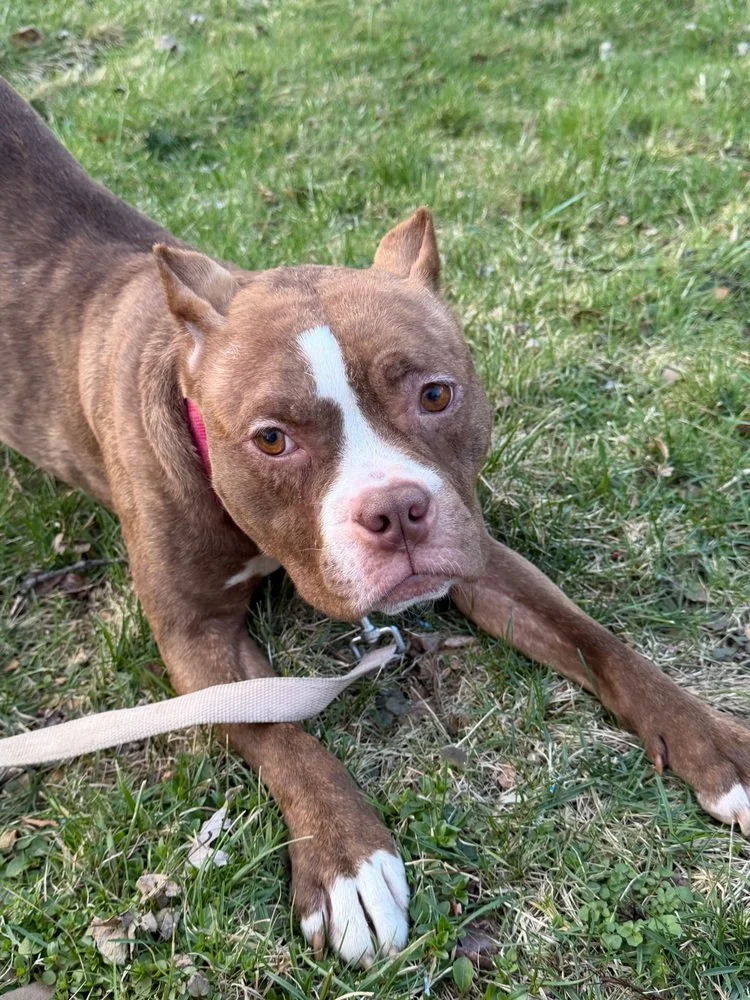

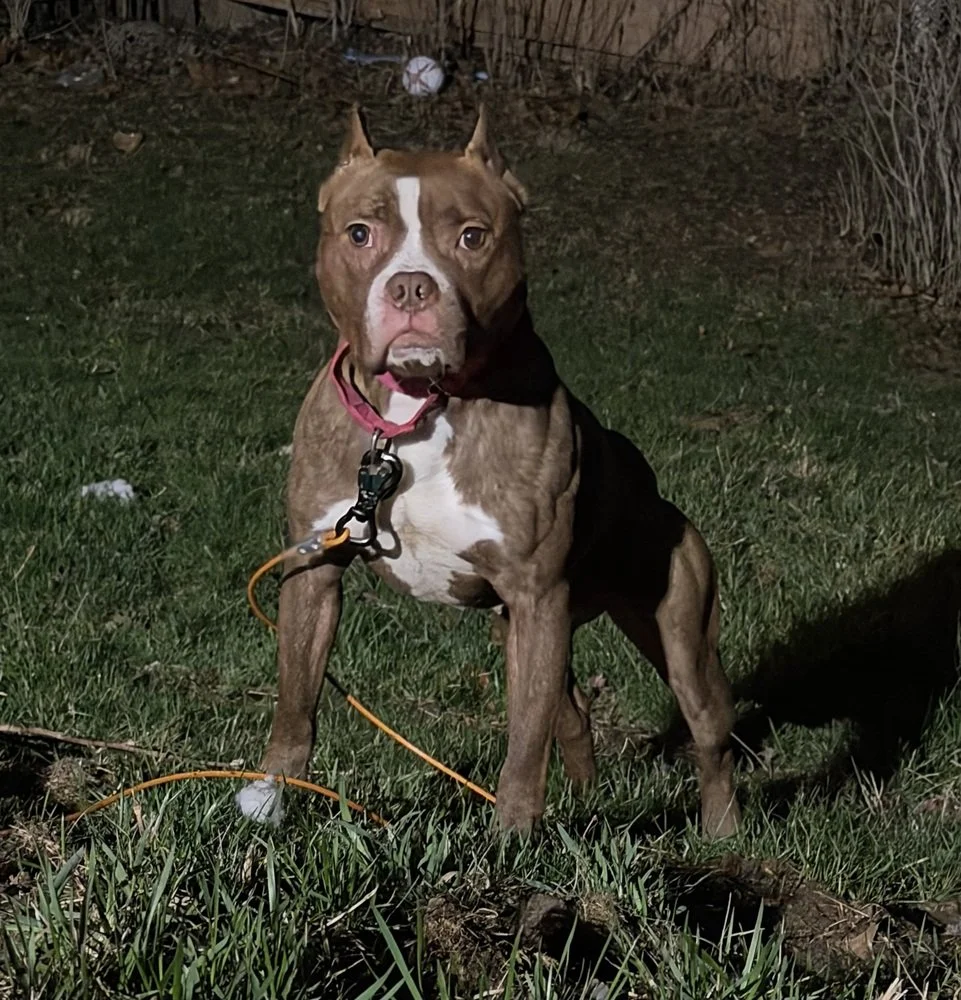
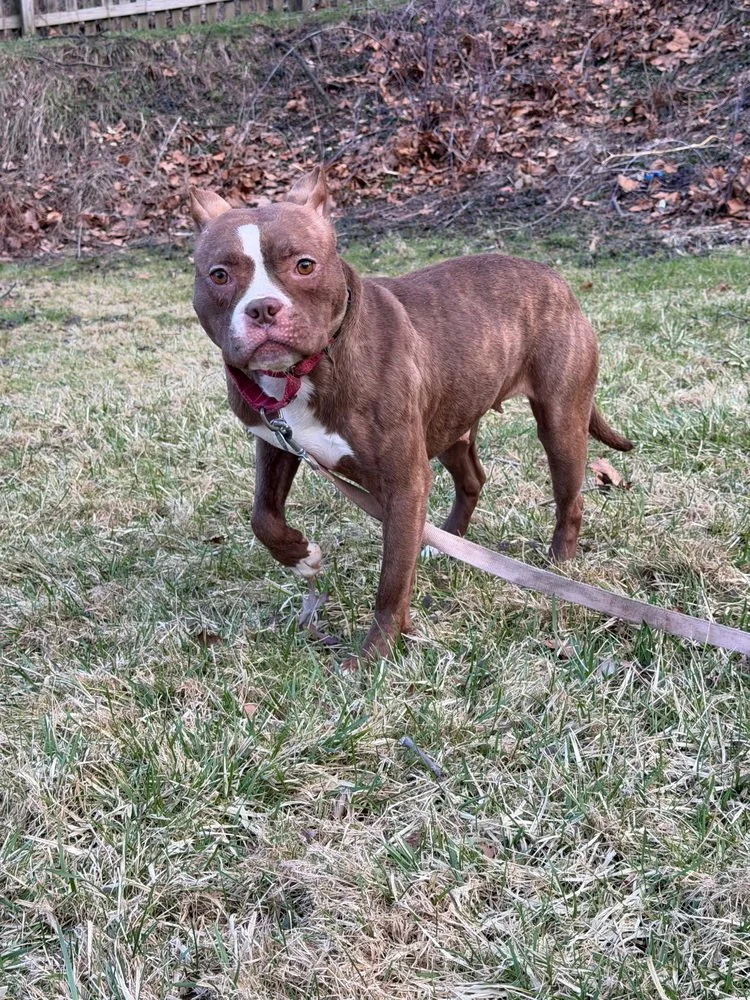

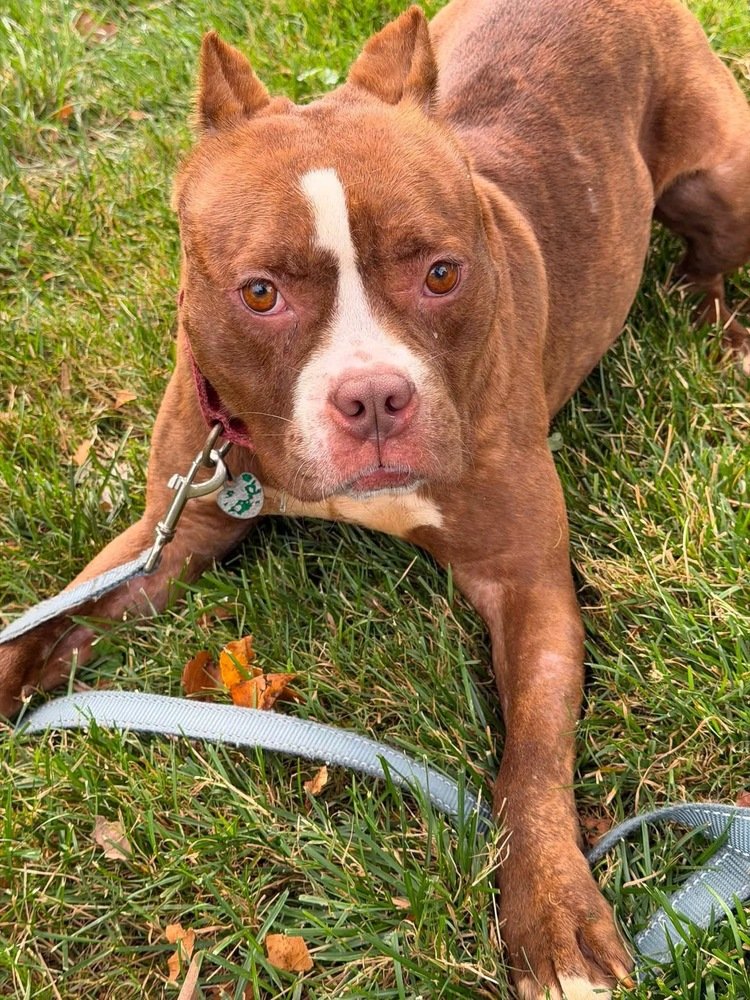
Location: Springdale, Pennsylvania at Paws Across Pittsburgh
Breed: American Pit Bull Terrier
Age: Adult
Gender: Female
Weight: Approximately 36 lbs
How to Adopt Barbie
Barbie is available through Paws Across Pittsburgh, a foster-based rescue serving Pittsburgh and Western Pennsylvania.
View Barbie’s Wagtopia Profile
View Barbie’s Petfinder Profile
Complete the Dog Adoption Application
Email: info@pawsacrosspittsburgh.com
Phone: (412) 495-2799
Location: Springdale, PA 15144
Kennel License: PA KL# 16182
Paws Across Pittsburgh does not adopt outside Pennsylvania. Applicants should live within a reasonable driving distance of Pittsburgh—preferably in Western Pennsylvania—because the rescue conducts home visits before adoption. The organization is foster-based and does not have a central facility where the public can visit its animals. Meet-and-greets are arranged after an application has been reviewed and approved. Review the rescue’s current adoption requirements.
The current adoption fee for an adult dog is $300. It includes age-appropriate vaccinations, a 4DX test for dogs older than six months, microchipping, and spay or neuter surgery. Adopters may receive a $25 refund after providing proof that their dog completed an eligible formal training program.
About Barbie
Meet Barbie, a sensitive and deeply loving girl who is ready to experience the stability and security she may never have known before entering rescue.
Barbie appears to have spent much of her previous life outdoors. She came to Paws Across Pittsburgh after experiencing complications while giving birth to her puppies that required surgery.
Despite everything she has endured, Barbie has maintained an extraordinary capacity for love. She may not immediately reveal her entire personality to someone new, but once she feels safe and begins to trust, she forms strong and meaningful bonds.
Barbie loves wholeheartedly. What she needs in return is a patient person willing to give her the time, routine, and reassurance she needs to understand that she is finally home. Barbie’s current profile.
Characteristics
Tender-Hearted: Barbie is a sensitive dog who needs gentle handling and an emotionally safe environment.
Deeply Loving: Once she trusts someone, she forms a strong and devoted bond with that person.
Loyal: Barbie has the potential to become an incredibly loyal companion to the person who earns her trust.
Initially Cautious: She needs time to feel comfortable in unfamiliar surroundings and around new people.
Resilient: Barbie has endured an uncertain past and medical complications but remains capable of forming loving relationships.
Affectionate: Her foster experience has revealed a dog with an enormous capacity for closeness and companionship.
Routine-Oriented: A predictable daily schedule will help Barbie understand what to expect and feel more secure.
Enrichment-Loving: Kongs, Nylabones, and puzzle toys can keep her occupied and help her cope during short periods alone.
Enthusiastic: Barbie sometimes becomes excited and does not always recognize her own strength.
More Comfortable with Women: She currently tends to trust women more quickly and may initially feel fearful around men.
Progressing: Barbie continues to work on crate training, potty training, confidence, and adjusting to life inside a home.
Building Barbie’s Confidence
Barbie needs someone who understands that trust cannot be rushed.
She may require time to observe a new person before she feels comfortable interacting. Her adopter should allow her to approach at her own pace instead of forcing contact or expecting immediate affection.
Helpful ways to build her confidence may include:
Maintaining a predictable daily routine
Allowing her to explore her new home gradually
Using treats and praise to reward brave behavior
Providing a quiet place where she can decompress
Avoiding punishment or intimidating corrections
Keeping early introductions calm and controlled
Pairing unfamiliar experiences with something positive
Giving her space when she appears overwhelmed
Celebrating small signs of progress
Continuing positive-reinforcement training
Barbie is reportedly more comfortable with women and may be fearful of men at first. This appears to come from limited or negative past experiences rather than an inability to form relationships with men.
A patient man who avoids looming over her, reaching toward her suddenly, or demanding interaction may gradually earn her trust. Tossing treats from a comfortable distance and allowing Barbie to initiate contact could help her develop new, positive associations.
Separation Anxiety
Because of her past, Barbie experiences separation anxiety.
She would do best in a home where someone is present most of the time, such as a work-from-home household, a retired adopter, or a family with a flexible schedule.
Her adopter should still help her gradually learn that being alone for brief periods is safe. This process should move slowly enough to avoid repeatedly pushing her into panic.
Useful support may include:
Establishing a dependable routine
Beginning with extremely short absences
Providing a safe and comfortable resting area
Using food-filled Kongs and puzzle toys
Offering durable, veterinarian-approved chews
Practicing calm departures and returns
Using a camera to observe how she responds
Working with a qualified positive-reinforcement trainer
Consulting a veterinarian if her anxiety remains severe
Barbie should not be placed in a home where she will immediately be expected to remain alone throughout a full workday. Her need for companionship is an important part of finding the right match.
Training
Barbie is currently working on both crate training and potty training and continues to make progress.
Because she appears to have spent much of her life outside, many ordinary household expectations may be new to her. She should be taught with patience rather than punished for skills she was never previously given the opportunity to learn.
Her adopter can support her potty training by:
Taking her outside immediately after waking
Scheduling regular bathroom breaks
Taking her out after meals, playtime, and naps
Rewarding her immediately when she eliminates outside
Supervising her closely while indoors
Cleaning accidents with an enzymatic cleaner
Learning her signals instead of waiting for her to ask clearly
Keeping meals and bathroom breaks on a consistent schedule
Crate training should also progress gradually. The crate can be introduced with comfortable bedding, treats, meals, and short periods with the door open before Barbie is expected to remain inside.
Because she experiences separation anxiety, a crate should never be treated as a complete solution to her distress. Her family should watch carefully for signs that confinement increases her fear and seek professional guidance when necessary.
Exercise and Enrichment
Barbie will benefit from a balance of physical exercise, mental enrichment, training, and quiet time with her family.
Activities she may enjoy include:
Leash walks in quiet areas
Sniffing and exploring
Food puzzles
Stuffed Kongs
Durable chew toys
Treat-searching games
Short training sessions
Learning new cues
Calm indoor play
Relaxing near her trusted person
A predictable routine is especially important for Barbie. Knowing when she will eat, walk, play, rest, and spend time with her family can reduce uncertainty and help her settle into her new life.
Life with Other Animals and Children
Barbie has been listed as compatible with dogs, but her description also states that she may be happiest as the only pet. Interested adopters should ask her rescue about her latest foster experiences and whether a particular resident dog could be an appropriate match.
Any introduction to another dog should be arranged under the rescue’s guidance and continued gradually after adoption.
Barbie has a high prey drive and needs a home without cats.
Interestingly, she has reportedly done well around pot-bellied pigs. This shows that she may be capable of peacefully coexisting with certain animals, but it does not override her need for careful, individual compatibility assessments.
Barbie should not live with small children. She can become enthusiastic and does not always realize how strong she is when excited. A calm adult household—or possibly one with older, dog-savvy children approved by the rescue—may be more appropriate.
Health and Vetting
Barbie is:
Spayed
Fully vaccinated
Microchipped
Recovering from a difficult start
Available for adoption
She previously required surgery because of complications while giving birth to her puppies. Prospective adopters should ask Paws Across Pittsburgh whether she has any remaining medical needs or recommended follow-up care.
Her permanent family should continue providing:
Annual veterinary examinations
Monthly heartworm prevention
Flea and tick prevention
Balanced nutrition
Dental care
Healthy exercise
Behavioral support
Continued training and enrichment
Ideal Home
Barbie needs a patient, understanding person ready to provide the stability she has been missing.
Her ideal home will:
Be located in Pennsylvania, preferably near Pittsburgh
Have someone home most of the time
Provide a calm and predictable environment
Have no cats
Have no small children
Potentially allow her to be the only pet
Carefully evaluate any resident dog with the rescue
Give her time to trust new people
Understand her initial fear of men
Use positive-reinforcement training
Continue her crate and potty training
Help her work through separation anxiety gradually
Provide food puzzles, chews, and other enrichment
Avoid overwhelming her with forced interactions
Celebrate her progress, even when it happens slowly
Appreciate the loyal and loving dog waiting beneath her uncertainty
Make a genuine lifelong commitment to her
Barbie is not searching for a crowded dreamhouse filled with excitement. Her perfect Barbie world is much simpler: a calm home, a dependable routine, a patient person, and the security of knowing she will never be abandoned or left to face life alone again.
She may need more time and understanding than some dogs, but the love she offers once she feels safe is incredibly meaningful.
For the right person, Barbie will not simply be a pet. She will be a devoted companion who loves with her whole heart.
